
Summary
Ant control pricing depends on infestation size, ant species, treatment method and service frequency. The typical pest control average cost for ant treatment ranges from affordable one visit solutions to larger recurring plans. Progressive Pest Control helps homeowners choose the right treatment for lasting results and better long term value.
Introduction
Ants look small, but an ignored infestation gets expensive fast. A few trails in the kitchen can become repeated invasions and hidden nesting. That is why homeowners ask what the real pest control average cost is for ants.
General pest control averages about $171 per visit, with many jobs between $50 and $500. Professional ant extermination averages about $250 per visit, and many standard treatments land between $200 and $300. Widespread problems can reach $700 or more.
Pest control for ants cost is usually lower than for major structural pests. It still changes with the ant type, the nest location and the length of the plan.
Why ant treatment prices vary so much
Ant control is priced as a service, not a flat product. Two homes can both have ants. One may need a light interior bait treatment. The other may need indoor and outdoor work, nest targeting and follow up visits.
The biggest pricing factors
- Infestation severity
- Ant species
- Property size
- Treatment method
- Service frequency
Why species matters
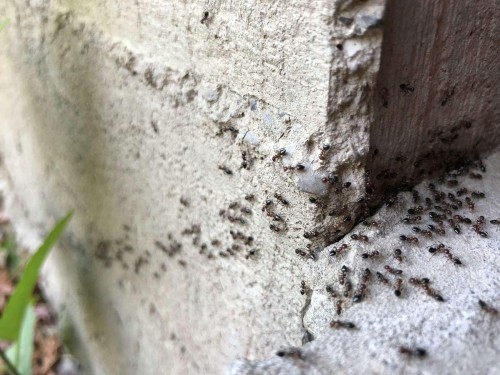
Species decides where the colony lives and how hard it is to find. Common house ants are often handled with baiting and sanitation. Carpenter ants take more labor because technicians must inspect moist or damaged wood and hidden voids.
Even harmless ants signal an established nest nearby. Good treatment targets that nest, not just the ants you can see.
Average pricing ranges homeowners can expect
This table gives a practical view of the pest control average cost for ant work.
These figures explain why online quotes feel inconsistent. One company may quote a simple visit. Another may include inspection, perimeter defense and follow up monitoring.
Cost by ant type
One time service versus ongoing service
One time service suits a recent and limited problem. You may see a trail near the pantry or a few ants by the windows. Targeted baiting and sanitation advice can solve it.
Ongoing service is the better value when ants keep returning. Monthly plans often run $40 to $70 and quarterly plans commonly fall between $100 and $300. These plans reduce seasonal reinfestation and maintain a barrier around the home.
The real question is not only what pest control for ants cost is today. It is whether paying a little more now prevents repeat visits and wasted store bought products. A well designed plan from Progressive Pest Control can offer better long term value than several emergency treatments.
What is included in the price
You are not just paying for chemicals. You pay for inspection, diagnosis, product choice and a strategy that fits the species.
Common service items
- Interior and exterior inspection
- Identification of likely nesting zones
- Bait placement
- Crack and crevice treatment
- Perimeter treatment where needed
- Advice on moisture control and sealing entry points
The role of IPM
Public agency guidance supports integrated pest management, often called IPM. It focuses on inspection, identification and targeted treatment instead of blanket spraying. Baits are often preferred because workers carry them back to the nest.
A higher quality service may cost a little more because it solves the problem instead of hiding it for a week.
Key factors that raise or lower ant control cost
Infestation size
A few ants near one window is a small job. Ants in the kitchen, bathrooms and garage need more time, product and monitoring.
Treatment method
Baiting is often the cheapest option, at about $120 to $200. Perimeter treatment runs about $80 to $150. A two step plan for tougher activity can reach $500 to $1,000.
Nest location
Where the ants nest changes labor time. A kitchen trail may cost $80 to $300. Attics, basements and foundations can cost $150 to $600.
Property size
Larger homes and yards take longer to inspect. Many standard estimates assume a home of about 2,000 square feet.
Local market and access
Pricing differs by region and provider. Crawl spaces, stored belongings and heavy landscaping can raise labor costs.
Recurrence
If food, water and entry points remain available, a one visit price can become a much larger yearly cost.
Why do some ant problems keep coming back
Many homeowners treat the visible ants but not the reason they are there.
Common attractants include food residue, standing moisture, easy entry points and accessible nesting zones. Some species chase sweets while others switch to grease or protein. Some nest outdoors and forage inside. Others build hidden nests in walls or damp wood.
A cheap treatment aimed only at visible ants often becomes expensive. A better service asks why the trail formed, what the ants eat and where the colony sits. Progressive Pest Control uses this inspection based approach to reduce repeat problems and improve value.
DIY cost versus professional cost
DIY products look cheaper at first.
The math changes when ants return. Sprays can cause budding, where a colony splits and spreads. Spraying near baits can also interfere with control.
DIY works best for small and isolated activity. Once the problem is persistent, inside walls or seasonal, professional help is usually more cost effective. Carpenter ants and multiple fire ant mounds also justify a professional visit.
How to choose the right quote
The best quote is not always the lowest number. It is the clearest scope of work.
Questions to ask
- Which ant species did you find and where is the likely nest?
- Does the price cover interior, exterior, attic or foundation treatment?
- Are follow up visits included?
- Is there a re treatment warranty and what voids it?
- Are structural repairs or moisture fixes excluded?
Check the contract
Confirm whether the price is a one time fee or the first payment in a recurring contract. Ask about cancellation notice and early termination fees. A strong quote also separates one time pricing from plan pricing so you can compare value honestly.
Is ant pest control worth the cost?
For many homeowners, yes. Recurring ants create stress, contaminate food areas and point to easy access or hidden nesting. Waiting usually means more activity and more wasted DIY spending.
Professional treatment often costs in the low hundreds, and prevention plans keep future outbreaks under control. Progressive Pest Control can turn an uncertain problem into a clear plan with inspection, targeted treatment and prevention advice.
Conclusion
If you are researching pest control for ants cost, remember that price depends on more than the ants you can see. It depends on the colony, the method, the property layout and whether the plan aims for quick relief or long term control.
General pest control often averages around $171. Ant service commonly averages around $250 per visit and costs more for complex infestations.
Progressive Pest Control focuses on more than a simple spray visit. The value comes from finding the cause, choosing the right treatment and preventing the next infestation. If ants show up in your kitchen, walls or yard, contact us at (770) 791-0055 for a customized inspection and a clear pricing plan.
FAQs
A small home with a minor infestation may pay $100 to $250, depending on treatment type and service area.