
Termite
Summary
This guide explains what homeowners usually pay for termite control. It covers price ranges by method, termite type, home size and inspection. It also shows what raises a quote and how to compare offers fairly.
Introduction
Termites chew through wood quietly, and the damage can stay hidden for years. Many homeowners panic when they spot mud tubes or discarded wings. Knowing the termites pest control cost before you call anyone helps you budget with confidence.
This guide walks through typical prices, the methods behind them and the extras that can surprise you. Use it to compare quotes and spot a fair offer.
Average Termite Treatment Cost
Most professional jobs land between $450 and $2,000. Many national guides cite an average near $621 to $680 for a standard treatment. Small spot jobs can start around $75 to $230.
Typical Price Ranges
Why Averages Vary
Each study includes different methods, home sizes and job scopes. Treat any average cost as a planning figure rather than a firm quote. Your termite treatment cost depends heavily on the method and the size of your home.
Termites Pest Control Cost by Treatment Method
The method is the biggest price driver because each one targets a different colony location.
Liquid and Bait Options
- A liquid termiticide barrier costs about $3 to $20 per linear foot, often $500 to $3,200 total.
- Bait stations cost about $7 to $12 per linear foot, often $1,500 to $5,000 installed.
- Both options mainly target subterranean termites, and bait systems need regular monitoring.
Wood, Heat and Fumigation Options
- Direct wood treatment suits small drywood problems but protects only the infested wood you can reach.
- Heat treatment often costs $2,000 to $6,000 and may miss cold spots.
- Fumigation runs about $1 to $4 per square foot and leaves no lasting residual barrier.
Cost by Termite Type and Infestation Scope
By Termite Type
Subterranean termites travel between soil and your home, so they usually need a soil focused plan. Drywood termites live inside the wood, which is why heat or fumigation may be necessary when activity spreads.
Dampwood termites need moisture correction plus targeted treatment. Formosan colonies are large, so they often cost more to control and monitor.
By Infestation Scope
Termite Inspection Cost
A basic inspection usually costs $75 to $150, while a detailed visit with a wood destroying insect report runs $150 to $350. Many companies offer a free visual check. A signed report for a lender, insurer or home sale may cost extra.
For a standard professional visit, the typical termite inspection cost is $75 to $200.
What Inspectors Check
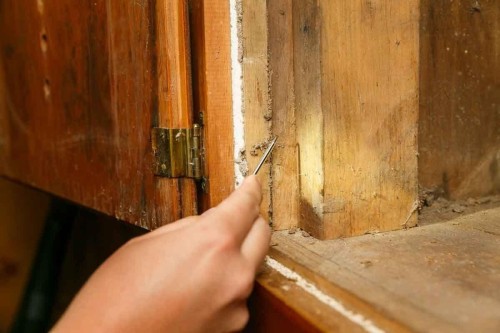
- Foundation areas, crawl spaces and attics for signs of activity.
- Window frames, door frames and plumbing openings where termites often enter.
- Mud tubes, frass and damaged wood that show whether activity is active or old.
Cost by Home Size
Soil and bait work is priced by foundation perimeter. Fumigation and heat are priced by square footage.
These are planning ranges, not guaranteed quotes. A large crawl space or attached garage can add labor even in a modest home.
What Affects Termites Pest Control Cost
- Widespread activity or multiple colonies raises labor and may require follow up visits.
- Cluttered crawl spaces, decks and dense landscaping make drilling and trenching harder.
- Leaks and poor drainage often need fixing before treatment can work well.
- Repairs to framing or subflooring are usually a separate cost from treatment.
- Local labor rates and licensing rules shift prices from one region to another.
- Same day or weekend scheduling may add a fee.
Ongoing Costs and Termite Bond Options
Termite control is not always a one time expense. An annual inspection costs about $75 to $200 unless a plan includes it. Bait monitoring typically runs $200 to $400 per year.
A termite bond is a service agreement that may include yearly inspections and retreatment. Some bonds also cover new damage repairs. Renewals can run $500 to $2,000 yearly in some estimates, though basic plans cost much less.
Questions to Ask About a Bond
- Does it cover retreatment only or repairs too?
- Does it cover your termite species?
- Can it transfer to a new owner?
- What actions could void coverage?
- Does it renew automatically, and how do you cancel?
DIY or Professional Treatment
DIY products such as bait stakes, foam and borate cost roughly $20 to $150. They can help with a tiny, accessible and clearly identified problem. Termite colonies are often hidden, so partial treatment may leave termites alive.
Pros of DIY
- Low upfront cost for very small problems.
- Quick action on visible, accessible wood.
Cons of DIY
- Products cannot reach termites inside walls or soil.
- Applying a barrier correctly around a foundation is difficult.
- You get no written warranty or documented clearance.
Call a professional if termites are in structural wood, activity keeps returning or you are buying or selling a home.
What a Quote Should Include
A clear proposal protects you from vague pricing. Look for these details.
- The termite species found and whether activity is active, suspected or previous.
- The exact method, the areas treated and the number of bait stations.
- Visits, monitoring period and warranty terms for retreatment or repairs.
- Exclusions such as moisture fixes, landscaping and structural repairs.
- Fumigation preparation, relocation and reentry requirements.
- Total price, renewal price and cancellation terms.
Good providers also follow an integrated pest management approach. They identify the pest, monitor activity, fix conditions that attract termites and use targeted control.
Additional Tips
- Collect at least three written quotes and compare the scope line by line.
- Ask what evidence confirms the termite species before agreeing to treatment.
- Keep wood away from soil and repair leaks to lower future risk.
- Schedule yearly inspections even after a successful treatment.
Conclusion
We have guided many homeowners through termite problems, and we know clear numbers reduce stress. Plan around $263 to $1,033 for a typical job, and expect the termites pest control cost to rise with method, home size and access.
Progressive Pest Control is a family and veteran owned company serving Northeast Georgia since 1999 from Hoschton. We protect homes, businesses and industrial properties with termite protection, general pest control, flea and tick treatments, ant control, mole treatments and wood infestation inspections. We are licensed and insured, and our trained technicians focus on targeted treatments and fair pricing. Call us at (770) 791-0055.
FAQs
A basic inspection usually costs $75 to $150, and a detailed visit with a wood destroying insect report can reach $350. Many companies include a free visual inspection when you book treatment.