

Pest Control
Summary
This guide explains what homeowners usually pay for professional pest control and why quotes differ from one company to the next. It covers price ranges for one time visits and recurring plans along with costs for ants, bed bugs, termites and mice.
Introduction
Finding ants in the kitchen or mice in the attic quickly raises one big question about price. Most homeowners want a clear number to budget around before they decide to call a professional for help.
The pest control average cost for a single visit sits near $171 across the country. Many jobs land between $50 and $500 depending on the pest and the scope of work.
Recurring plans and specialized pests can push the final bill much higher than a basic spray visit. This guide breaks down each price range so you can compare quotes with confidence and avoid surprise fees.
Pest Control Average Cost
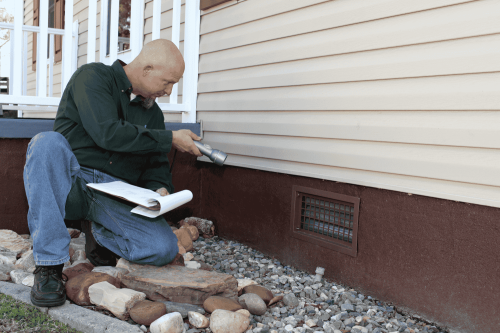
A one time visit usually costs between $100 and $600 with many routine services landing near $150 to $300. These figures usually cover inspection and treatment for common household pests and severe cases cost more.
Typical Price Ranges by Service
| Service | Typical cost | What it usually includes |
| One time general treatment | $100 to $600 and often $150 to $300 | Inspection and treatment for common pests |
| Initial visit for a recurring plan | $150 to $300 | Thorough inspection, pest identification and first treatment |
| Termite inspection | $75 to $325 | Assessment and written treatment recommendation |
| General inspection | Free or bundled in many cases | Pest identification and activity check |
A Quick Benchmark for Budgeting
National data places a typical general pest job near $171 and many households pay roughly $108 to $261. Treat every figure as a planning number because your final quote depends on the pest and the property.
- Routine one time visit at about $150 to $300
- Preventive maintenance at about $300 to $900 per year
- Specialized pests such as termites that often cost hundreds or more than $1,000
What Shapes the Pest Control Average Cost for Your Home
The pest alone rarely sets the price because several features of your home and the problem work together. Knowing these drivers helps you read a quote and spot the items that you can actually control.
Pest Species and Biology
Common perimeter pests such as spiders, crickets and earwigs are often handled during a routine visit. Termites, bed bugs, carpenter ants, rodents and wildlife often need baiting, exclusion, heat or repeat visits that raise the price.
Infestation Severity
A small and early ant problem may be solved in one visit with a light treatment of the affected area. A widespread roach, rodent or termite problem can need several treatments, monitoring and follow up inspections that add labor and product.
Home Size and Layout
Larger homes need more product and more technician time to inspect and treat every area. Homes with several floors, crawl spaces, basements, attached garages or tricky attic access can raise labor costs further.
Treatment Method
The method you choose changes both labor and materials in your quote, and common approaches are listed below.
- Perimeter or barrier treatments around the foundation and entry points
- Baiting for ants, roaches, rodents and termites with regular monitoring
- Dusting in wall voids, cracks and crawl spaces
- Trapping and exclusion for rodents and wildlife
- Heat treatment for bed bugs
- Fumigation for severe or whole structure cases
Number of Visits and Property Condition
One time visits solve an immediate problem but may not prevent pests from returning later in the season. Clutter, moisture, gaps around pipes, damaged screens and overgrown plants make treatment harder and can raise the final price.
A technician may ask you to fix moisture or seal gaps before treatment can work well.
Add On Services
Extra services can increase your invoice even when the base price looks fair and reasonable at first.
- Rodent exclusion and entry point sealing
- Attic or crawl space cleanup
- Wasp nest removal at height
- Mosquito or tick seasonal programs
- Termite monitoring or bait station care
- Bed bug preparation and mattress encasements
- Wildlife removal and damage repair
- Emergency same day or weekend service
One Time Service vs Recurring Plans
A one time visit fits a single and clearly identified problem such as one wasp nest or ant trail. A recurring plan fits homes that face pests season after season and want steady prevention.
Plan Costs Compared
| Option | Typical cost | Best for | Trade off |
| One time treatment | $100 to $600 | One clear problem | May not stop pests from returning |
| Monthly plan | $40 to $75 per visit | High pest pressure | Higher yearly cost than quarterly |
| Quarterly plan | $100 to $300 per visit | Year round prevention | Not ideal for severe active cases |
| Annual plan | $300 to $900 per year | Predictable budgets | Coverage and guarantee vary |
Monthly visits often add up to about $480 to $900 per year before any add ons are included. Quarterly plans usually total roughly $400 to $1,200 per year before any initial visit fees are added.
Pros and Cons of a Recurring Plan
| Pros | Cons |
| Spreads the cost across scheduled visits | Monthly service can cost more per year |
| Often includes retreatment between visits | Contracts may carry cancellation fees |
| Reduces seasonal reinfestation | Pest lists and guarantees differ by company |
| Keeps the yearly budget predictable | Severe cases may need more frequent follow up |
A quarterly plan can cost less than repeated one time treatments when pests keep returning. The lowest price per visit is not always the lowest total cost once fees and cancellation terms are counted.
Cost by Pest Type
Prices differ widely because some pests need targeted products, repeat visits, structural access or special equipment.
Common Household Pests
| Pest | Typical cost | Notes |
| Ants | About $150 one time | Severe colonies may need four treatments at $400 to $480 |
| Cockroaches | $100 to $400 one time or $50 to $100 per visit | German roaches often need multiple treatments |
| Spiders | $100 to $300 | Varies by species and nest removal |
| Fleas | $200 to $400 one time | Pets, bedding, carpets and yards need treatment |
| Mosquitoes | $80 to $150 per visit or $350 to $1,000 per season | Seasonal plans are common |
| Wasps and hornets | $120 to $286 and sometimes $300 to $700 | Walls, roofs and trees cost more |
| Mice and rats | $150 to $600 | Sealing and cleanup add cost |
| Bed bugs | $750 to $950 one time | Often needs several visits |
| Termites | $263 to $1,033 | Average near $621 |
Use this table as a starting point and then read the sections below for the pests that cost the most.
Pest Control for Ants Cost by Ant Type
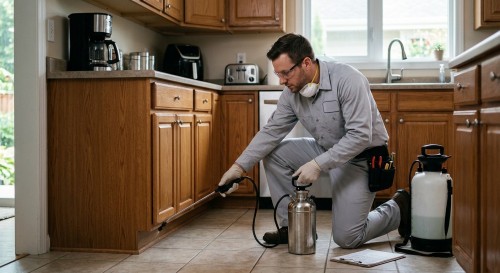
Ants look small but an ignored colony can get expensive fast when trails turn into hidden nests. Standard professional ant treatment often lands between $200 and $300 per visit and widespread cases can reach $700 or more.
Cost by Pest Type
Prices differ widely because some pests need targeted products, repeat visits, structural access or special equipment.
Common Household Pests
| Pest | Typical cost | Notes |
| Ants | About $150 one time | Severe colonies may need four treatments at $400 to $480 |
| Cockroaches | $100 to $400 one time or $50 to $100 per visit | German roaches often need multiple treatments |
| Spiders | $100 to $300 | Varies by species and nest removal |
| Fleas | $200 to $400 one time | Pets, bedding, carpets and yards need treatment |
| Mosquitoes | $80 to $150 per visit or $350 to $1,000 per season | Seasonal plans are common |
| Wasps and hornets | $120 to $286 and sometimes $300 to $700 | Walls, roofs and trees cost more |
| Mice and rats | $150 to $600 | Sealing and cleanup add cost |
| Bed bugs | $750 to $950 one time | Often needs several visits |
| Termites | $263 to $1,033 | Average near $621 |
Use this table as a starting point and then read the sections below for the pests that cost the most.
Pest Control for Ants Cost by Ant Type
Ants look small but an ignored colony can get expensive fast when trails turn into hidden nests. Standard professional ant treatment often lands between $200 and $300 per visit and widespread cases can reach $700 or more.
Cost by Ant Species
| Ant type | Typical professional cost |
|---|---|
| Odorous house, pavement and Argentine ants | $100 to $350 |
| Fire ants | $100 to $300 per treatment |
| Carpenter ants | $250 to $500 or more |
| Carpenter ants with structural involvement | $500 to $900 or more |
The species decides where the colony lives and how hard it is to find without a careful inspection. Carpenter ants take more labor because technicians must inspect damp or damaged wood and hidden voids.
Treatment Method and Nest Location
Baiting is often the cheapest option at about $120 to $200 while perimeter treatment runs about $80 to $150. A two step plan for tougher activity can reach $500 to $1,000 depending on the colony.
A kitchen trail may cost $80 to $300 while attics, basements and foundations can cost $150 to $600. Ants often return when food, water and entry points stay available so fixing these causes protects your money.
For a deeper breakdown of ant pricing and fair quotes, read our guide Pest Control for Ants Cost by Ant Type and Home Size.
Pest Control for Bed Bugs Cost and Why It Runs Higher
Bed bugs are not surface pests because they hide in mattress seams, bed frames, baseboards and wall voids. That is why pest control for bed bugs cost is usually far higher than a standard visit for common pests.
Typical Bed Bug Prices
- One time treatment at about $750 to $950
- Quarterly treatment over a year at about $1,700 to $2,300
- Treatment at $1,000 to $4,000 per room or about $4 to $7.50 per square foot
- Emergency service that can add $200 to $500
Current national estimates show wide pricing that depends on inspection findings and the size of the infestation.
What Drives the Bill
Heat treatment costs more upfront because it needs specialized equipment, temperature monitoring and careful setup. Chemical and hybrid methods may cost less at first but they often depend on more follow up visits.
Room count, clutter, furniture load and preparation work also change the estimate because each one adds labor.
Why Cheap Treatment Costs More Later
A very low quote that skips inspection or follow up can leave eggs alive and lead to repeat bites. Foggers may not reach the cracks and crevices where bed bugs hide and improper use can be dangerous.
To learn more about the factors behind these prices, read our guide Know The Bed Bug Extermination Cost Factors That Affect Bill.
Termites Pest Control Cost by Method and Home Size
Termites chew through wood quietly and the damage can stay hidden for years before anyone notices. Most professional termite jobs land between $450 and $2,000 and a typical national average sits near $621 to $680.
Price by Treatment Method
| Method | Typical cost |
|---|---|
| Standard professional treatment | $263 to $1,033 |
| Liquid soil barrier | $3 to $20 per linear foot or $500 to $3,200 total |
| Bait stations | $7 to $12 per linear foot or $1,500 to $5,000 installed |
| Heat treatment | $2,000 to $6,000 |
| Fumigation | $1 to $4 per square foot or $1,200 to $4,000 or more |
| Severe or whole structure cases | $2,500 to $6,500 or more |
Liquid and bait systems mainly target subterranean termites and bait systems need regular monitoring over time. Fumigation is mainly reserved for widespread drywood termites found deep inside the structure of a home.
Termite Inspection Cost
A basic inspection usually costs $75 to $150 while a detailed visit with a wood destroying insect report runs $150 to $350. Many companies offer a free visual check or credit the inspection fee when you buy treatment.
Home Size and Ongoing Costs
| Home size | Liquid or bait | Fumigation or heat |
|---|---|---|
| Under 1,500 sq ft | $500 to $1,500 | $1,200 to $2,500 |
| 1,500 to 2,500 sq ft | $800 to $2,500 | $1,500 to $3,500 |
| 2,500 to 3,500 sq ft | $1,200 to $3,200 | $2,000 to $4,500 |
| Over 3,500 sq ft | $1,500 to $4,000 or more | $3,000 to $6,000 or more |
Soil and bait work is priced by foundation perimeter while fumigation and heat are priced by square footage. Repairs to framing or subflooring and moisture fixes are usually separate costs from the treatment itself.
Termite control is not always a one time expense because monitoring and yearly inspections can continue for years. Annual inspections cost about $75 to $200 and bait monitoring often runs $200 to $400 per year.
A termite bond is a service agreement that may include yearly inspections and retreatment with renewals costing $500 to $2,000 in some estimates.
Questions to Ask About a Termite Bond
- Does it cover retreatment only or repairs too?
- Does it cover your termite species?
- Can it transfer to a new owner?
- What actions could void coverage?
- Does it renew automatically and how do you cancel?
For more detail on methods and quotes, read our guide Termites Pest Control Cost Explained for Homeowners.
What Is the Average Cost of Pest Control for Mice?
Most homeowners pay between $200 and $600 for professional mouse control including inspection, trapping and follow up visits. Costs climb when entry points need sealing or when mice have contaminated the attic or crawl space.
Mouse Control Price Ranges
| Service | Typical cost | What it includes |
|---|---|---|
| Basic treatment | $150 to $450 | Inspection, traps or bait and sometimes one follow up |
| Full service program | $200 to $600 | Trapping, follow up visits and basic repairs |
| Severe infestation | $400 to $800 or more | More traps, more visits and sanitation |
| Live capture | $50 to $75 per mouse | Humane trapping and removal |
| Fumigation | $2,000 to $6,000 | Rare and extreme cases only |
Sample Price Scenarios
| Scenario | Likely total |
|---|---|
| A few mice in a kitchen | $150 to $350 |
| Activity in several rooms | $300 to $600 |
| Mice in an attic or crawl space | $500 to $1,200 |
| Repeat problem with many entry points | $700 to $1,800 |
Sealing and Cleanup Costs
Mice can squeeze through gaps as small as one quarter inch so sealing is the heart of lasting control.
- Basic sealing at about $100 to $500 for five to ten openings
- Standard residential sealing at about $300 to $1,500
- Full home sealing at $500 to $3,000 or more in older homes
- Nest removal and sanitizing at $400 to $1,000 or more
Never dry sweep or vacuum rodent droppings because the dust can carry hantavirus and other germs into the air.
Plans and Warranties
Many companies sell mouse control as an ongoing plan that commonly runs $40 to $80 per month after a first visit. The first visit of such a plan sometimes costs $125 to $300 before the regular monthly fee begins.
A good warranty often lasts three to six months and includes free retreatment if mice return. It may also cover repairs to failed sealing points while expecting you to close garage doors and remove food.
For more on mouse pricing and what a quote should cover, read our guide What Is the Average Cost of Pest Control for Mice?
What a Standard Pest Control Visit Includes
A routine visit covers much more than a quick spray around the foundation and the entry points. You are paying for inspection, pest identification and a treatment plan that fits the specific pest in your home.
Common Service Items
- Inspection of the interior, exterior, foundation and entry points
- Pest identification and an activity assessment
- Treatment of baseboards, cracks, eaves and nesting sites
- Advice on sanitation, moisture control and exclusion
- Records of products used and any follow up needed
- A guarantee or free retreatment window
The Role of Integrated Pest Management
Integrated pest management focuses on inspection, exclusion, sanitation and the least toxic effective method before any heavy pesticide use. This approach often costs a little more at first but it targets the cause instead of hiding the problem.
Do It Yourself vs Professional Pest Control
Do it yourself products can work for a minor problem such as a few ants or a small wasp nest. They cost less upfront but they may not reach hidden colonies or solve widespread infestations that keep returning.
Typical Do It Yourself Costs
| Product | Typical cost |
|---|---|
| Ant bait stations | $5 to $25 per package |
| Liquid or gel bait | $5 to $20 |
| Insecticidal sprays | $5 to $25 |
| Snap traps | $5 to $30 |
| Sealant and steel wool | $30 to $100 |
| Termite bait stakes, foam and borate | $20 to $150 |
Pros and Cons of Do It Yourself Treatment
| Pros | Cons |
|---|---|
| Low upfront cost for very small problems | Missed entry points and repeat infestations |
| Quick action on visible and reachable pests | Sprays that can split a colony and spread it |
| No written warranty or documented clearance |
When to Call a Professional
Professional service is the better choice when the pest is hard to identify or the problem keeps returning.
- Widespread or recurring infestations
- Termites, bed bugs, rodents, wildlife or stinging insects
- Treatment that needs roof, wall void, crawl space or attic access
- Homes with children, pets, allergies or asthma
- Structural damage or contamination
How to Choose a Pest Control Company
The best quote is not always the lowest number because the scope of work matters just as much. Check credentials first and then compare each written estimate line by line before you sign anything.
Credentials to Verify
Federal guidelines advise confirming that the company has at least one certified and licensed commercial pesticide applicator in the proper service category. Ask for proof of insurance and a written inspection report with a clear treatment plan before work begins.
- Current state applicator license
- Proof of insurance and bonding status
- Exact product name, registration number and label
- References and complaint history from state agencies
What a Written Quote Should Include
- The pest found and the evidence behind the diagnosis
- The treatment method and the areas to be treated
- The number and timing of follow up visits
- Whether the inspection fee is credited toward treatment
- Exclusions such as moisture fixes and structural repairs
- Warranty length and retreatment terms
- Total price, renewal price and cancellation terms
Questions to Ask Before You Pay
- What pest is present and what evidence supports that diagnosis?
- How many visits do you expect and what happens if pests return?
- Are the products safe for children, pets and plants?
- Do I need to leave the home or cover food?
- Does the quote include exclusion, cleanup or repairs?
- Is there an initial fee, cancellation fee or automatic renewal?
How to Save Money on Pest Control
A few smart habits can lower your yearly bill without lowering the quality of the service you receive.
Smart Ways to Save
- Get at least three written quotes
- Ask whether the inspection fee is credited toward treatment
- Compare annual totals instead of monthly rates
- Bundle services such as general pest and termite monitoring
- Act early because small problems cost far less
- Skip long contracts for a single wasp nest or minor ant trail
A low monthly price can become expensive once initial fees and add ons are included in the contract. Always check what the guarantee covers including free retreatment and any pests or conditions that are excluded.
Fix the Conditions That Attract Pests
- Seal gaps and repair damaged screens
- Store food securely
- Reduce moisture and remove standing water
- Trim plants away from the structure
- Clear clutter from basements, garages and sleeping areas
Additional Considerations and Tips
Watch for red flags during the quote process because a few warning signs can save you real money.
- Promises of permanent removal without inspecting entry points
- Very cheap one visit quotes with no follow up
- Companies that cannot explain treatment or warranty terms
- Fumigation suggested for ordinary house mice
Avoid careless poison use anywhere that children, pets or wildlife can reach the bait or treated areas. Standard homeowners policies rarely cover termite treatment or damage so ask your agent and read the policy language.
Schedule yearly termite inspections and keep wood away from soil even after a successful treatment so problems stay small.
Final Words
Remember that the pest control average cost is only a starting point because every home and pest is different. We have guided many homeowners through these decisions and we know clear numbers reduce stress.
We are a family and veteran owned company serving Northeast Georgia since 1999 from our base in Hoschton. Our licensed and insured technicians focus on targeted treatments, fair pricing, six month protection and no charge return visits for covered problems.
Call us at (770) 791-0055 to get a free quote and a clear plan for your home.
FAQs
Sometimes a small and recent infestation needs only one visit and a few simple sanitation changes. If ants keep returning, ongoing treatment or a quarterly plan is usually the better choice.