


Termite
Termites are one of the most destructive household pests because they rarely show themselves in obvious ways. They feed silently inside wood, behind drywall, and beneath flooring. By the time damage becomes visible, repairs are often costly and disruptive.
Early detection is the single most effective way to limit damage. Homeowners who understand how to identify termites gain valuable time to act. Instead of reacting to structural failure, they can respond to warning signs while the infestation is still manageable.
This guide explains termite behavior, early warning signals, and inspection strategies in plain language. It also explains how to identify flying termites, which are frequently the first visible clue that a colony exists nearby.
The goal is not to overwhelm you with technical detail. The goal is to help you recognize what matters, what does not, and what steps to take next.
Why Termites Often Go Unnoticed
Termites are not random wanderers. Their survival depends on protection from air, light, and predators. Because of this, most species build hidden pathways that allow them to move without exposure.
Subterranean termites travel through soil and shelter tubes. Drywood termites remain inside wooden structures. Both methods keep them out of sight.
Another reason termites are difficult to detect is the way they consume wood. They eat from the inside outward. The outer surface may look solid while the interior has been hollowed out.
Paint, wallpaper, and trim can hide damage for years. Homeowners may assume everything is fine until a door frame collapses or flooring sags.
Flying termites appear only during short swarming windows. If those moments are missed, the colony continues undetected. That is why understanding secondary signs is critical.
Why Early Termite Detection Matters
Termites feed on cellulose, a material found in wood, paper, and many building components. Because they often consume wood from the inside, visible surfaces may appear normal while internal damage progresses.
The Environmental Protection Agency explains that termites cause billions of dollars in property damage each year across the United States. Much of this loss happens because infestations go unnoticed for long periods.
Early detection limits the scope of damage. It also allows targeted treatment instead of extensive intervention. For homeowners, this often means lower repair bills and fewer disruptions.
Recognizing the earliest signs also reduces stress. When you understand what to look for, you stop guessing and start acting with clarity.
Understanding Termite Behavior and Colony Structure
Termite colonies operate as organized systems. Each termite has a specific role that supports survival and expansion.
Workers are responsible for feeding, tunneling, and caring for the colony. Soldiers defend against threats. Reproductive termites create new colonies.
Swarmers are reproductive termites. Their appearance signals maturity of a colony. When conditions are right, they leave the colony to establish new ones.
Understanding this behavior helps homeowners interpret what they see. For example, swarmers do not appear randomly. Their presence means a colony has reached a stage capable of expansion.
Common Types of Termites Found in Homes
Different termite types leave different clues. Understanding the basics helps interpret what you see.
Subterranean Termites
Subterranean termites live in soil and travel to structures for food. They rely on moisture and protected pathways to survive.
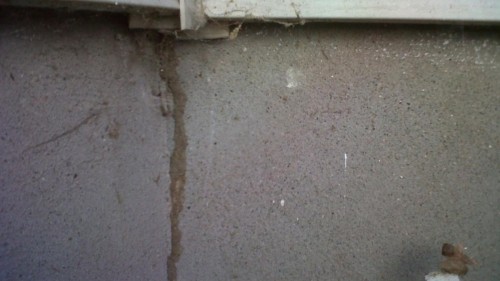
One of the most recognizable signs is the presence of mud tubes. These shelter tubes allow termites to move between soil and wood without exposure. They are often found on foundations, crawl space walls, or interior surfaces near ground level.
Drywood Termites
Drywood termites live inside wood and do not require contact with soil. Their activity is often found in framing, trim, attics, or wooden furniture.
A key indicator is frass, which looks like small pellet shaped droppings. These pellets are pushed out through tiny openings and may collect in small piles below infested wood.
Dampwood Termites
Dampwood termites prefer wood with high moisture content. Leaks, poor drainage, and damp crawl spaces can create suitable conditions.
Moisture issues alone do not confirm termite activity, but they increase risk when combined with wood contact.
The Clearest Signs of Termites
Swarmers and Flying Termites
Swarmers are winged reproductive termites. Their role is to leave the colony and form new colonies.
If you are trying to identify flying termites, look closely at their body structure. Termite swarmers typically have straight antennae, a thicker waist, and wings that are similar in size.
Swarming often occurs after warm weather and rainfall. Many homeowners notice swarmers near windows, doors, or light sources. Seeing them indoors is a strong signal that inspection is needed.
Discarded Wings
After landing, termite swarmers shed their wings. These wings are often easier to find than the insects themselves.
Piles of translucent wings may appear on window sills, floors, or near vents. Repeated sightings in the same area suggest ongoing activity nearby.
Mud Tubes
Mud tubes look like thin earthen lines running along concrete, brick, or wood. They may appear outside on foundations or inside crawl spaces and garages.
Active tubes may contain live workers. Avoid disturbing large sections, as this can spread activity.
Hollow Sounding or Soft Wood
Termites hollow wood internally. Tapping trim, baseboards, or door frames may produce a hollow sound.
In advanced cases, the surface may feel thin or collapse under light pressure. This is a serious warning sign.
Blistered Paint or Bubbling Surfaces
Paint may bubble or peel when moisture builds beneath the surface due to termite activity.
This can resemble water damage. The difference is that termite damaged areas often feel weak or spongy when pressed.
Frass Pellets and Tiny Holes
Drywood termites leave pellet shaped droppings called frass. These may collect in small piles below affected wood.
Tiny kick out holes may also be visible where pellets are expelled and sealed.
Stuck Windows and Warped Frames
As wood weakens or swells, doors and windows may become difficult to open.
When this occurs alongside other signs like wings or soft trim, further inspection is recommended.
Where Homeowners Should Look First
Focus on areas where wood meets moisture or soil. These locations often reveal early clues.
• Foundation walls and crawl spaces
• Sill plates and floor joists near vents
• Baseboards near exterior doors
• Window sills and sliding door tracks
• Bathrooms and kitchens with plumbing lines
• Attics near roof leaks
• Garages with stored cardboard or wood
Clusters of signs in the same area are more meaningful than a single isolated clue.
How to Identify Termites vs Winged Ants
Many homeowners confuse termite swarmers with winged ants. Correct identification saves time and prevents unnecessary concern.
To identify flying termites, focus on three traits.
Termite swarmers usually have straight antennae, a thick waist, and wings that are equal in length.
Winged ants typically have elbowed antennae, a narrow waist, and front wings that are longer than the back wings.
If possible, collect a specimen or take a clear photo next to a coin for scale.
Simple At Home Checks That Support Early Detection
Homeowners can perform basic checks without tools. These steps support early awareness but do not replace professional inspection.
Wing Collection Check
Use clear tape to collect discarded wings. Photograph them near a coin to show size. This helps with identification.
Mud Tube Inspection
Check foundation walls and crawl spaces for tubes. If you open a small section and see movement, note the location.
Sound Test
Tap suspect wood gently. Hollow sounds can indicate internal galleries.
Moisture Review
Check under sinks, around toilets, and near water heaters. Moisture often attracts termites and hides damage.
Paper and Cardboard Check
Termites feed on cellulose. Inspect stored boxes and paper products near walls or floors.
Step by Step Homeowner Assessment Process
- Observe the Context: Note where the sign appears. Location matters. Wings near windows suggest swarmers. Mud tubes near foundations suggest subterranean travel.
- Document Before Disturbing: Take photos. Capture both close detail and wider context. If wings are present, collect a small sample using tape.
- Look for Supporting Evidence: One sign alone can be misleading. Two or more related signs strengthen conclusions.
- Check Moisture Sources: Look for leaks, condensation, or poor drainage. Moisture increases termite risk.
- Schedule Professional Inspection: When evidence clusters appear, professional confirmation is the safest next step.
When It Is Time to Call a Professional
Professional inspection is recommended when you observe mud tubes, repeated wing piles, swarmers indoors, or soft structural wood.
It is also wise to schedule an inspection if moisture issues exist alongside visual signs.
Progressive Pest Control evaluates evidence carefully. Inspections focus on confirmation, identification, and prevention guidance rather than assumptions.
Treatment Options Explained Simply
Treatment depends on termite type and activity level.
Subterranean termite control often focuses on creating protective zones between soil and structure.
Drywood termite treatment may target localized areas or broader zones depending on spread.
A quality treatment plan explains why a method is chosen and what results to expect.
Prevention Steps That Reduce Termite Risk
Prevention focuses on moisture control and access reduction.
• Keep gutters directing water away from foundations
• Repair plumbing leaks promptly
• Avoid storing cardboard on floors
• Maintain soil levels below siding
• Store firewood away from structures
• Seal utility entry points
• Schedule routine inspections
These steps reduce conditions that allow colonies to thrive.
Call Progressive Pest Control at (770) 791-0055 for a quick relief or get rid of termites fast.
Conclusion
Spotting termites early is about recognizing patterns. Wings, mud tubes, and soft wood are high signal clues. Bubbling paint, warped frames, and moisture issues add supporting evidence.
When homeowners understand how to identify termites, they act sooner and protect their property more effectively.
If signs point to possible activity, a professional inspection provides clarity and next steps. Early action remains the most reliable defense against long term termite damage.
If you see signs of termite damage, schedule an inspection today.
Contact or call us at (770) 791-0055 to get professional guidance before damage spreads.
FAQs
Flying termites indicate a colony nearby. While it does not always confirm infestation inside the structure, inspection is strongly advised.