

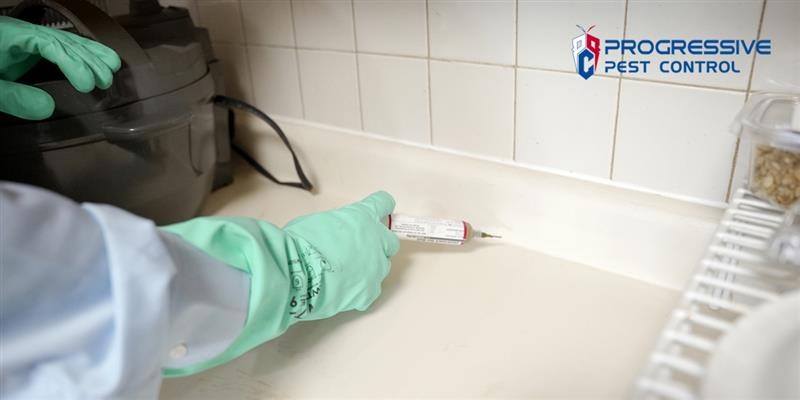
Pest Control
When bed bugs invade, every night feels longer than the last. The bites, the anxiety, the laundry piles—bed bug flare-ups move fast because these common household bugs are expert hitchhikers. Getting rid of them quickly requires evidence-based, integrated steps—not random spraying or risky “home hacks.”
In this guide, you’ll learn exactly how to identify, contain, and eliminate bed bugs with household bed bug treatments that are proven to work, plus when to call in professional heat or chemical programs for rapid, whole-home relief.
Confirm you’re dealing with bed bugs
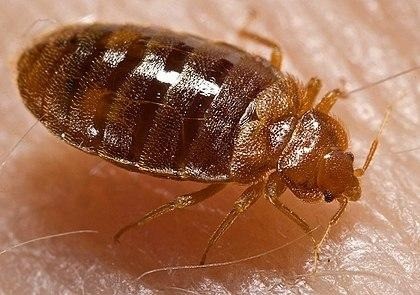
Misidentification wastes precious time. Adult bed bugs are oval, flat, reddish-brown, 3/16 inch long (about lentil-sized). Nymphs are smaller and pale; eggs are tiny, pearly white. You’ll find them in mattress seams, bed frames, headboards, nightstands, and couch folds. Signs include pepper-like fecal spots, shed skins, and sweet/musty odor in heavy infestations.
How to inspect efficiently (10–15 minutes):
- Strip bedding and inspect mattress seams, tufts, and labels; remove the box spring and inspect the frame and slats.
- Check the headboard (especially hotel-style headboards mounted to walls), baseboards, along carpet edges, and the underside of couches/recliners.
- Use a flashlight + credit card (or thin spatula) to probe seams/crevices; keep rubbing alcohol only for preserving a sample for ID (don’t spray it—fire hazard).
Tip: If you’re unsure, collect a specimen in a zipper bag and have it confirmed by your local extension office or a qualified professional.
Immediate containment so the problem doesn’t spread
Once you’ve confirmed activity, reduce movement of items from room to room. Bag soft goods (linen, clothing, stuffed toys) for treatment. Slide installed beds a few inches from walls, and declutter floor areas so you can treat and monitor. Encasements for mattresses/box springs trap existing bugs and make future inspections easier. Expect several inspection/cleaning cycles for complete elimination—this is normal.
Household treatments that work
High-heat laundering and drying (eggs included)
For washable items: wash hot and dry on high heat for 30 minutes minimum; heat is lethal to all life stages when delivered properly. Washing alone may not kill eggs—the dryer is essential. Bag clean items after drying to keep them bug-free until the room is cleared.
Vacuuming + steaming
- Vacuum seams, tufts, baseboards, screw holes, and furniture cracks. Empty the canister immediately into a sealed bag outdoors.
- Steam (if available) delivers >130°F/54°C at the surface; move slowly (~1 inch/sec) for lethal exposure. Avoid steam near outlets/electronics; follow appliance guidance. (Professional steamers and heat systems are more reliable, but household steamers can help when used meticulously.)
Climb-up interceptors & passive monitors
Place interceptor traps under bed and sofa legs to catch host-seeking bed bugs and measure progress. DIY versions can work; commercial versions are sturdier and more sensitive. Combine interceptors with encasements for a strong “detect + deny” setup.
Dusts: silica gel or diatomaceous earth (DE)
Thin, even applications in wall voids, baseboard gaps, and furniture crevices dehydrate bed bugs. Seal and label any dust used; avoid over-application (piles repel bugs and create mess). Keep away from children/pets; never puff dust into open air. (Silica gel often outperforms DE).
Freezing (limited reliability at home)
Freezing can kill bed bugs, but only with very low, sustained temperatures. Many home freezers fluctuate and may not maintain lethal exposure long enough; use a thermometer and allow several days if you try this route. When speed matters, heat is more reliable than DIY freezing.
Sprays: why “more chemicals” isn’t the fast answer
Bed bugs have widely documented resistance to common pyrethroids; overuse makes populations harder to kill. If you choose a labeled household product, read the EPA label and apply only to listed sites (never on mattresses unless permitted; never on kids’ items). For many homes, non-chemical plus targeted dusts outperform random aerosol spraying—and professional programs combine different chemistries and methods to overcome resistance.
Avoid “home remedies” like kerosene, gasoline, or reckless alcohol spraying—dangerous and ineffective.
Professional options when you need bed bugs gone ASAP
Whole-room/whole-home heat treatment
Professionals heat rooms to lethal temperatures using purpose-built equipment with sensors, airflow management, and hold times to reach bugs inside furniture and wall voids. This is often the fastest single-day reset for moderate to severe infestations , but requires prep and post-treatment monitoring.
Integrated multi-visit chemical/IPM programs
Where heat isn’t feasible, pros run inspection-guided programs (vacuum, steam, dusts, crack-and-crevice liquids with rotation/combination of actives). Multiple visits break the life cycle. Programs typically also include resident prep checklists (laundry, bagging, interceptors, encasements) to improve outcomes.
Industry data shows most infestations occur in single-family homes, apartments/condos, and hotels/motels—be extra vigilant when moving, traveling, or purchasing second-hand items.
According to the U.S. EPA’s Do-It-Yourself Bed Bug Control guide, heat, careful inspection, encasements, interceptors, and targeted treatments are the core of an effective household plan.
What NOT to do?
- Don’t crank the thermostat or run space heaters to “heat the house.” That’s dangerous and ineffective; you won’t achieve the uniform, sustained temperatures needed.
- Don’t rely on essential-oil sprays or unlabeled “natural” products as your main tactic; studies show poor efficacy and no residual reliability compared with integrated methods.
- Don’t toss your furniture unless a professional tells you it’s structurally compromised—encasements + treatment are usually enough, and dumping items can spread bugs to others.
Fast, household action plan
- Isolate & inspect sleeping/lounging areas; encase mattress/box spring and install interceptors.
- Launder/dry fabrics on high heat (?30 min). Seal clean items.
- Vacuum & steam seams/baseboards/crevices; empty vacuum outdoors.
- Apply dusts (silica/DE) lightly in inaccessible cracks/voids as labeled.
- Repeat inspections every 7–10 days; track captures in interceptors.
- If bugs persist beyond two cycles or multiple rooms are involved, schedule professional heat or IPM.
Health, bites & relief
Bed bugs don’t transmit disease, but they can cause itching, allergic reactions, and sleep loss. Manage bites with soap/water cleansing, topical corticosteroids for itching, and see a clinician for secondary infections or severe reactions. Focus treatment on eliminating the infestation; repellents won’t fix the source.
Why bed bugs keep coming back and how to prevent it
Bed bugs excel at hiding and hitchhiking. Re-introductions often happen after travel, second-hand purchases, or visitors. Reduce risk by:
- Inspecting luggage and laundering travel clothes on high heat upon return.
- Examining used furniture thoroughly; avoid curbside pickups.
- Maintaining encasements and interceptors on beds long-term for early detection; quick action prevents big outbreaks.
The science behind “why sprays fail”
Decades of research and field experience show that many bed bug populations exhibit resistance to widely used insecticides (pyrethroids; reduced susceptibility noted even with other activities), which is why standalone spray approaches disappoint. Smart control combines mechanical removal, heat/steam, dusts, and carefully chosen labeled insecticides, rotating/combining modes of action to outmaneuver resistance.
Post-treatment monitoring—and when to bring in a pro
Finishing a treatment doesn’t mean the job is over. Bed bugs are resilient, and a single missed egg can restart the problem. After any DIY or professional service, keep monitoring your home so you can catch stragglers early and stop a rebound before it spreads.
How to monitor effectively
The simplest, most reliable tool is a set of bed bug interceptors—small cup-like devices that sit under each bed or sofa leg. As bugs try to climb up or down, they get trapped, giving you a 24/7, chemical-free way to see what’s still moving. Install them on every leg of beds, nightstands, and frequently used seating, and leave them in place for 6–12 weeks after treatment. Check them weekly. If you keep finding live bugs, newly shed skins, or fresh fecal specks (those pepper-like dots) after multiple checks, that’s a sign you’ll need another round of treatment.
How long should you keep monitoring?
Plan on at least 45–60 days. That window covers the time it takes for eggs to hatch and nymphs to start seeking a meal. Many homeowners choose to continue for 90 days for extra assurance. In warmer climates (like Dubai), bed bug development can move faster, so steady, consistent follow-up matters. During this period, try not to rearrange furniture, sleep in different rooms, or remove mattress/box-spring encasements early—changes like these can scatter bugs and make monitoring less accurate.
Signs you’re winning
You should notice several things at once: no new bites for weeks, no fresh fecal specks or blood smears on sheets, fewer or zero captures in interceptors, the occasional dead bug near treated cracks or baseboards, and no lingering musty odor in heavy-infestation rooms. If the opposite happens—new nymphs show up, fresh bites start again, or you see activity inside encasements—schedule a follow-up visit. Early retreatment is easier, faster, and cheaper than letting a small pocket bloom into another full infestation.
When DIY isn’t enough
If the infestation moved beyond a single room, if you’re dealing with repeated activity after careful DIY efforts, or if you suspect insecticide resistance, it’s time to call professionals. Bed bugs excel at hiding in deep seams, wall voids, and furniture joints; pros have the tools, training, and treatment options to reach those spaces and finish the job with fewer repeat visits.
What professionals bring to the table
A qualified team will perform a methodical inspection and map real harborages instead of guessing. They use commercial steamers, calibrated heat systems, crack-and-crevice tools, and regulated products that penetrate where household sprays can’t. Just as important, they build a custom plan for your home—factoring in room layout, furniture type, and the level of activity—then follow through with scheduled re-inspections until you’re clear.
How long a professional job takes—and what to expect
Most services block 2–4 hours per room, depending on clutter, furniture density, and how widespread the bugs are. Two or more visits spaced 1–2 weeks apart is normal; this timing disrupts the life cycle and catches late hatchers. Expect to keep interceptors and encasements in place for 6–8 weeks after the final visit and to follow your provider’s prep checklist (laundering, bagging, reducing clutter) to speed results.
Knowing they’re truly gone
Give yourself 40–50 days after the last live sighting to be confident. Check interceptors, mattress seams, the headboard, and treated areas every couple of weeks. If you see no new fecal spots, no shed skins, no live captures, and you go several weeks without bites, the treatment has likely succeeded. Keep encasements and interceptors a bit longer for peace of mind—early detection prevents surprises.
Preventing a comeback
Make your home harder to re-infest. Keep clutter down so bugs have fewer places to hide. Vacuum regularly, maintain mattress/box-spring encasements, and seal obvious cracks around baseboards or trim. Be travel-smart: inspect hotel headboards and luggage stands, keep suitcases off beds and upholstered chairs, and run travel clothing through a high-heat dryer cycle when you return. If you buy second-hand furniture, inspect seams and joints thoroughly before bringing it inside. Small habits like these dramatically lower the risk of another round.
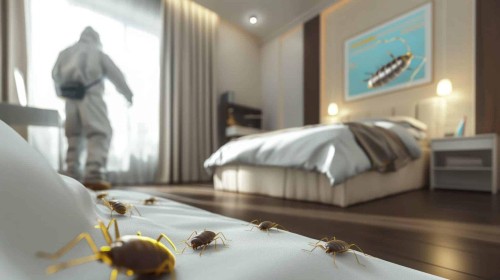
If you’ve found multiple rooms with activity, if bites continue after two household treatment cycles, or if you’re short on time/energy to maintain laundering, steaming, and monitoring, professional help pays for itself. Progressive Pest Control designs a targeted program for your home:
- Rapid inspection + monitoring to map real harborage sites.
- Heat or multi-visit IPM depending on structure and budget.
- Resident prep checklist to streamline laundering, decluttering, and encasements.
- Follow-up verification using interceptors/visual inspections until you’re clear.
Call Progressive Pest Control at (770) 791-0055 for a quick relief or get rid of bed bugs fast.
Conclusion
Speed plus precision beats panic. Start with confirmation, follow with heat laundering, vacuum/steam, encasements plus interceptors, and targeted dusts—then escalate to professional heat/IPM if activity persists. That is how most households remove bed bugs fast and keep them from coming back.
To get back to your pillar article on “Common Household Bugs Every Homeowner Should Know and How to Identify Them”, and see more information about common household bugs. Read our complete guide to common household bugs and how to identify them quickly.
Ready to end bed bugs fast?
Contact Progressive Pest Control via our Contact Us page or call (770) 791-0055 for a same-week inspection and a clear, step-by-step elimination plan.
FAQs
Sometimes—especially with professional heat. Otherwise, expect multiple visits and cleaning cycles to break the life cycle.