


Pest Control
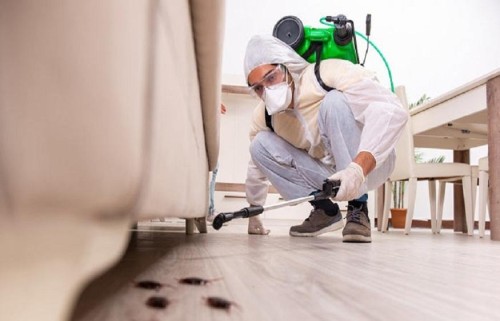
Household pests aren’t just a nuisance—they can bite, trigger allergies, and sometimes transmit disease. The tricky part is that common household bugs hide in cracks, fabrics, and even pet bedding, and their bites often look similar.
If you’ve ever woken up with mysterious itchy clusters, felt a sharp sting while moving laundry, or noticed tiny blood specks on sheets, you’re dealing with household bugs that bite—and you need a plan that goes beyond a quick spray.
This guide gives you a practical, research-backed way to identify the bug, confirm the source, and stop the problem. We’ll keep branding minimal and focus on what works—so you can sleep better tonight.
Can you have bed bugs without seeing them?
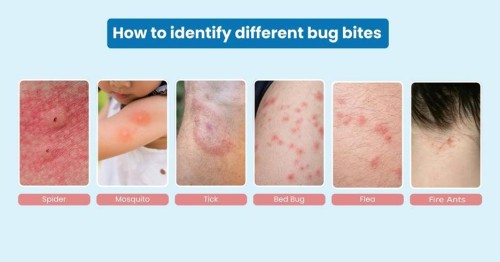
Yes. You can get bed bug bites even if you never spot a bug or feel the bite. Often, the first clues are the signs they leave behind. Keep in mind that bed bug bites can look like other insect bites.
What bed bugs look like:
Most bed bugs that bite people are reddish-brown, flat, and oval. Adults are about 1–7 mm long, have six legs, and no visible wings.
How to recognize bed bug bites
Bed bug bites often resemble other insect bites. Typical features include:
- Very itchy, usually smaller than ¼ inch across
- On lighter skin: usually red; on darker skin: may look faint pink or purplish and can darken to deep brown over time
- In some people (especially those who are sensitive or allergic), bites can swell into large, itchy welts (weals) over 2 inches
Where bites show up:
Areas exposed while you sleep—face, neck, arms, hands, feet.
Classic pattern:
A line or zigzag of three or more bites (often called “breakfast, lunch, and dinner”).
How bed bugs get into and live in a space
Bed bugs usually set up close to sleeping areas and can be found in places like hotels, shelters, cruise ships, buses, trains, offices, and cinemas. Travel raises the risk because they can hitchhike in luggage. They typically hide within about 8 feet of where people sleep.
What Counts as “Common Household Bugs” and Which Ones Bite?
Not every bug inside bites. “Common household bugs” usually means pests frequently encountered in or around homes: bed bugs, fleas, mosquitoes, ticks, spiders, ants, and biting midges (a.k.a. no-see-ums). We also include kissing bugs (triatomines) because of their public-health relevance in parts of the U.S.
- Bite vs. sting: In this article, “bite” covers both, including spider bites and ant stings, since both can cause painful skin reactions.
- Disease risk varies: Mosquitoes and ticks are well-known disease vectors; fleas can carry pathogens; kissing bugs can transmit Trypanosoma cruzi (Chagas). Bed bugs don’t transmit disease but cause significant itching and sleep disruption.
How to Identify and Stop the Most Common Biters
Bed bug bites can closely resemble several other types of bug bites. The following bugs are known to be active at night.
- Bed Bugs (Cimex lectularius)
What you’ll notice: Itchy, small, red bumps in lines or clusters. Look for dark fecal spotting along mattress piping, headboards, and nearby furniture joints. Bites may resemble mosquito/flea bites.
Where they hide: Mattresses, box springs, bed frames, couches, baseboards, electrical outlets.
Action plan (IPM):
- Confirm: Use mattress/box spring encasements, interceptor cups, and a bright light to inspect.
- Reduce harborages: Declutter, launder bedding on high heat (wash hot, dry 45–60 min high heat), and vacuum with a HEPA filter.
- Targeted products: Desiccant dusts (e.g., silica, diatomaceous earth) into cracks/crevices; consider professional residual insecticides and IGR combinations for eggs/nymphs.
- Follow-up: Multiple treatments are standard; re-inspect 2–3 weeks apart until monitors show no activity.
Why it matters: Bed bugs aren’t known to spread disease, but they disrupt sleep and may cause anxiety.
- Mosquitoes (Indoors)
What you’ll notice: Itchy, raised welts; activity around dusk; a single mosquito in a room can cause multiple bites overnight.
Action plan:
- Eliminate breeding: Dump standing water (plant saucers, drains, trays), refresh water weekly, keep pool water treated.
- Block entry: Repair window screens, weather-strip doors, and use bed nets or fans as needed.
- Protect skin: Use EPA-registered repellents (DEET, picaridin) as directed; consider permethrin-treated clothing.
Note: Communities use larvicides outdoors; indoors, prevention + repellents are key.
- Fleas
What you’ll notice: Itchy papules (often ankles), pets scratching, salt-and-pepper specks (flea dirt) on pet bedding or lint roller. Fleas can bite humans; some species may transmit pathogens.
Action plan:
- Treat pets: Use vet-recommended oral/topical preventives on all pets concurrently.
- Home protocol: Vacuum daily (carpets, cracks, baseboards), launder pet bedding hot, and use an IGR (e.g., pyriproxyfen) with a residual adulticide for carpets/crevices.
- Lifecycle focus: Re-treat in ~14 days to hit emerging adults.
- Ticks (in and around homes)
What you’ll notice: Attached tick on skin; risk of pathogens (Lyme and others) varies by region. Ticks hitchhike indoors on pets/clothing.
Action plan:
- Tick checks: After outdoor activity, shower within two hours and check scalp, waistline, armpits, behind knees; check pets and gear.
- Removal: Use fine-tipped tweezers close to skin; pull steadily upward.
- Prevention: Keep lawns trimmed, use EPA-registered repellents, consider permethrin on clothing per label.
- Spiders (Brown Recluse & Others)
What you’ll notice: Single painful bite with localized redness; brown recluse: violin-shaped marking, 6 eyes (not 8); bites may form a white blister, rarely progressing to necrosis. Most bites heal without severe complications.
Action plan:
- Reduce hiding spots: Declutter closets/garages, shake out clothing/shoes, seal wall voids and baseboard gaps.
- Mechanical control: Glue boards in undisturbed corners; vacuum webs/egg sacs.
- Medical attention: Seek care for severe reactions or suspected recluse/black widow bites.
- Biting Midges (No-See-Ums)
What you’ll notice: Pinprick bites that itch intensely; tiny flies that can penetrate standard screens.
Action plan:
- Exclusion: Finer-mesh screens, door sweeps, seal gaps; reduce damp landscaping near foundations.
- Fans and dehumidification: Midges are weak fliers; airflow helps.
- Repellents: Use EPA-registered repellents on exposed skin.
- Fire Ants (Indoors)
What you’ll notice: Sharp stings that burn; pustules can form. Indoors, they arrive via cracks, wiring, or potted plants.
Action plan:
- Locate nests: Often outdoors; use baiting as primary control; seal indoor entry points.
- Caution: Avoid disturbing mounds—use labeled baits/insecticides or hire a pro for systemic yard treatments.
- Kissing Bugs (Triatomines)
What you’ll notice: Night-biting bugs attracted to lights; concern is Chagas disease transmission via feces contacting bite/wounds or mucous membranes (transmission efficiency is low compared with mosquitoes). Presence has been documented in parts of the U.S.; awareness is increasing.
Action plan:
- Exclusion: Seal cracks, screen windows/vents, reduce outdoor lighting near entry points.
- Pet areas: Keep kennels/dog beds clean; consult local public-health guidance if specimens are found.
According to the CDC, protecting yourself from mosquito and tick bites starts with removing standing water, using EPA-registered repellents (e.g., DEET or picaridin), and doing post-outdoor tick checks and a shower within two hours.
How to tell if your bites are from bed bugs
Look for evidence at home. Common signs include:
- Reddish or rust-colored stains on sheets or mattresses (from crushed bugs)
- Tiny dark spots (fecal marks)
- Small blood specks on bedding or upholstery
- Eggs (about 1 mm) and shed skins (exoskeletons)
- A sweet, musty odor
Common hiding spots
Bed bugs are most active at night and hide during the day in tight crevices, including:
- Mattress, box spring, and furniture seams
- Chair/couch seams and between cushions
- Folds of curtains
- Drawer edges and joints
- Electrical outlets and switch plates
- Under loose wallpaper
- Where walls meet ceilings
- Small cracks in beds, baseboards, or furniture
Rashes That Can Look Like Bug Bites (But Aren’t)
Not every itchy bump is a household bug bite. Several skin conditions can mimic bed bug bites or flea bites on ankles, leading to confusion. Use the guide below to compare location, appearance, and timing so you can decide whether you’re dealing with household bugs that bite or a look-alike skin condition.
Hives (Urticaria)
What it is: An allergic skin reaction causing raised welts (wheals) that are very itchy. Triggers can include foods, medications, infections, temperature changes, or pressure on the skin.
How it looks or feels:
- Puffy welts that can be skin-colored, pink, red, or purplish
- Move or change shape within hours; may merge into larger patches
- Often flare quickly and then fade, sometimes reappearing elsewhere
How it differs from bed bug bites: Bed bug bites tend to stay put and may appear in rows or clusters along areas exposed during sleep (shoulders, arms, neck, waistline). Hives are more likely to shift location and expand rapidly.
What helps: Oral antihistamines (as advised by a clinician), cool compresses, and avoiding known triggers.
Fungal Rash (Dermatophyte or Yeast)
What it is: Fungal infections prefer warm, moist areas such as between the toes, the groin/genitals, under the breasts, and skin folds. Sometimes the body has a “dermatophytid” reaction—an allergic rash in a different body area than the actual infection.
How it looks/feels:
- Itchy, scaly, or ring-shaped patches; edges can be more raised/red than the center
- In moist folds, skin may look shiny, macerated, or fissured
- A separate bumpy, itchy rash may appear elsewhere due to an immune reaction
How it differs from bug bites: Bites are usually discrete bumps (papules) where bugs feed. Fungal rashes tend to form patches/plaques, often with scaling, and they favor moist, covered areas more than exposed sleeping areas.
What helps: Keep skin clean and dry, use topical antifungals for confirmed infections, and treat athlete’s foot or jock itch to stop “spread” via immune reaction.
Heat Rash (Miliaria)
What it is: Also called prickly heat, it occurs when sweat ducts become blocked, trapping perspiration under the skin—common in hot, humid climates and in newborns, but adults get it too (after workouts, tight clothing, or hot sleep environments).
How it looks/feels:
- Tiny, itchy bumps that can be clear, white, or red
- Often appears under tight straps, in skin folds, or under synthetic clothing
- Worse with heat/sweat, improves as skin cools and dries
How it differs from bug bites: Bed bug bites typically occur on exposed skin and may show linear clusters. Heat rash shows up where sweat and friction are highest and flares with heat rather than at a specific time (like overnight feeding).
What helps: Cool the skin, wear loose, breathable fabrics, use fans/AC, and avoid heavy lotions that can block pores.
Dermatitis Herpetiformis (DH)
What it is: A rare autoimmune skin condition strongly associated with celiac disease.
How it looks/feels:
- Intensely itchy, small blisters or grouped bumps
- On lighter skin, lesions look red/pink; on skin of color, they may appear purple or darker
- Typical sites: Elbows, knees, buttocks, scalp, and lower back
How it differs from bug bites: Symmetry and recurrence in the same areas are clues. Bed bug bites usually reflect exposure patterns (sleeping areas) and don’t consistently target elbows/knees. DH also tends to be chronic without clear “bite” triggers.
What helps: Medical evaluation is essential. DH often requires specific medications and a strict gluten-free diet for underlying celiac disease.
Feature | Bed Bug Bites | Hives (Urticaria) | Fungal Rash | Heat Rash (Miliaria) | Dermatitis Herpetiformis |
|---|---|---|---|---|---|
Typical look | Small itchy papules in rows/clusters | Raised welts that move/merge | Scaly/patchy rash; may have ringed edge | Tiny, prickly bumps in hot/sweaty areas | Very itchy, grouped bumps/blisters |
Common sites | Exposed skin during sleep | Anywhere; shifts quickly | Moist folds, feet, groin; (+) distant “id” rash | Under straps, folds, tight clothing zones | Elbows, knees, buttocks, scalp, lower back |
Timing | Often overnight; persistent spots | Rapid onset/offset; migratory | Chronic or recurrent in moist areas | Worse with heat/sweat | Chronic; linked to celiac |
Key clue | Blood/fecal specks on sheets, seams | Welts change size/location within hours | Scaling, moist areas favored | Triggered by heat/friction | Site symmetry, intense itch, classic locations |
How to Stop These Hidden Pests
Here are some steps you can follow to stop these hidden pests:
1. Identify the Culprit
Confirm the pest before treating. Check mattress seams, furniture cracks, and pet bedding; use bed-leg interceptors for bed bugs and remove standing water for mosquitoes.
2. Clean to Break the Life Cycle
Wash bedding on hot and dry on high; vacuum edges and crevices with a HEPA vacuum. Treat pets if fleas are suspected or the problem will rebound.
3. Seal and Exclude Entry Points
Caulk gaps, add door sweeps, and repair screens (fine mesh for no-see-ums). Encase mattresses and box springs to eliminate harborage.
4. Treat Strategically, Not Broadly
Apply crack-and-crevice residuals and desiccant dusts where labeled; pair flea adulticides with an IGR and repeat in ~14 days. Prioritize source reduction over indoor foggers.
5. Protect People and Pets
Use EPA-registered repellents (DEET or picaridin) as directed; consider permethrin-treated clothing for ticks (not on skin or cats). Keep kids and pets out until treatments dry.
6. Reinspect and Verify
Recheck after 10–21 days and keep monitors in place until two clean inspections. If bites persist, expand the search to guest rooms, closets, and outlets.
7. Know When to Call a Pro
Heavy bed bug activity, recurring fleas, or disease-vector concerns (ticks, kissing bugs) warrant professional inspection and treatment plans.
8. Prevent the Next Round
After travel, hot-dry clothes and store luggage away from bedrooms. Reduce clutter, refresh drains, and do monthly perimeter checks for moisture and gaps.
Practical Steps if You’re Unsure
- Check the environment: Look for signs of bugs (bed bug fecal spots, shed skins, interceptor traps activity). For flea suspicions, inspect pets and bedding; for mosquitoes, remove standing water.
- Track the pattern: Note when bumps appear (overnight? after workouts?), where on the body, and how they change over 24–48 hours.
- Try simple measures: Cool compresses, oral antihistamines (for hives-type itch), breathable clothing, and keeping skin dry.
- Seek medical advice: If you have fever, spreading redness, severe pain, blisters, or systemic symptoms, or if rashes persist/return, consult a clinician.
- Consider professional inspection: If environmental clues point to bed bugs/fleas/ticks (or you keep waking with linear clusters), schedule a pest inspection to confirm or rule out household bugs that bite.
When to call a doctor?
If the bites appeared after traveling and you can’t check the sleeping area, it may be hard to confirm the source. A doctor can help evaluate the bites and rule out other skin conditions.
Seek medical advice if you notice any of the following:
- Fever
- Significant swelling around bites
- Blistering or worsening skin changes
Tip: If you suspect bed bugs, reduce clutter, inspect seams with a flashlight and a thin card, launder bedding on hot, and consider using mattress encasements and bed-leg interceptor cups while you arrange an inspection.
Call Progressive Pest Control at (770) 791-0055 for a quick relief or get rid of bed bugs fast.
Conclusion
If you’re dealing with common household bugs—especially household bugs that bite—success starts with correct identification, then IPM: cleaning, exclusion, and targeted treatments that fit the species and the home. Keep your approach evidence-based, use EPA-registered products when needed, and don’t hesitate to bring in a professional if activity persists.
This article should link back to your pillar page on “Common Household Bugs Every Homeowner Should Know and How to Identify Them”. Read our complete guide to common household bugs and how to identify them quickly.
Need fast, bite-free relief?
Contact Progressive Pest Control or call (770) 791-0055 for an expert inspection and a clear, step-by-step elimination plan.
FAQs
Bed bugs aren’t known to transmit disease, but they can cause itching, insomnia, and anxiety.