

Pest Control
It is a variation on the same question, which we receive every week, to which Atlanta-area homeowners are inquiring: Which bugs are normal indoors--and which are cause for concern? The answer in short is there are those pests that are generally a nuisance (such as fruit flies), and others that can ruin the house (termites), cause allergies (cockroaches, dust mites), or even bite (fleas, bed bugs).
The quick learning of visual clues wings vs no wings, the shape of the antennas, dropping, shedding of the skin (exuviae), frass and musty aromas will enable you to respond faster and prevent expensive issues.
The homes targeted in this article include the areas such as townhouses, craftsman homes, and condos because of the high humidity, the age of the crawlspaces, and the length of the warm seasons, some pests are more active there than in cooler and drier areas.
Why identification of Common Household Bugs matters?
Proper ID of pests is time and money saving and headache free. Various bugs require various remedies: carpenter ants require water infusion and nesting elimination whereas underground termites need soil/bait treatments.
Health (roach allergens, bed bug bites, flea problems) and economical destruction is also safeguarded by correct ID because it detects evidence at an early stage (mud tubes, frass).
It attacks the cause of the evil--fruit flies on fermenting soaps vs. drain flies in drain slime--then the evil, really, is destroyed. Properly identified, Integrated Pest Management remains cost effective: sanitation, extermination, moisture management and limited and targeted products (baits, IGRs, crack-and-crevice) instead of mass sprays.
That decreases resistance, exposure, enhances monitoring (fewer ootheca, no new tubes, less fecal spotting) and provides clean documentation to the report, warranties and when real-estate is needed.
How to Identify Common Household Bugs?
Determining the various categories of bugs in the house will enable the household owners to have a clue of the worst-case scenarios these pests might bring, and can assist them in identifying the best approach of getting rid of them or managing them, and when to resort to the professionals.
Being aware of the kind of bugs in your house also helps you to take preventive measures so that infestations are prevented in future. By eliminating the reasons why these pests are attracted or maintained, you can reduce the chances of the recurrence of problems.
Ants
Ants have definitely become one of the most common house pests. The extent of damage they may cause may differ depending on the species. These insects interact through the use of pheromones, i.e. once one has been seen, chances are more likely of additional ones and their presence. In a normal situation, the ants or workers go out to get food to feed their colonies and usually they penetrate houses seeking food.
Carpenter ants bore holes in wood and are a major risk to the construction of homes. As with other species of ants, they are hard to manage. It is also important that ant infestations must be identified and treated in time; to avoid massive damage and in many cases, it may need professional help.
Cockroaches
Cockroaches are typical home bugs and they inhabit places where rubbish, garbage and germs run. They are mostly located in the kitchen or in the bathroom where they have easy access to food and moisture.
The way the cockroaches enter your house may be based on the species. Indicatively, American cockroaches and oriental cockroaches usually gain entry into homes via the plumbing and German cockroaches are nearly always introduced into homes as an accident. These insects multiply at an incredibly rapid rate; hence, when you find them in your house, it is time to contact a specialist to deal with the rodent.
Spiders
The spiders do not find their way home. Most spiders in your house are probably not very dangerous but some, such as the black widow or brown recluse, are dangerous to humans.
Spiders can be of two kinds; the web-building spiders and the hunting spiders. Such as the black widow, web-building spiders create a web in the form of a spider in order to ensnare their prey. Spiders, such as the brown recluse, hunt their prey. Use Contact to have great spider control services in case you notice any evidence of spider in, or around your house, such as spider webs in areas, live spiders, or spider eggs.
Silverfish
Silverfish are tiny insects that are silver in color and are usually a nuisance that attacks homes and fortunately, they do not harm humans. These typical house bugs take food on fungal molds and other organic substances, glue and book bindings.
Silverfish prefer moisture and humidity. Such domestic insects tend to be often seen in bathrooms and kitchens, yet can also be encountered in laundries, garages, cabinets, attics, as well as crawl spaces. To ensure that silverfish does not cause any harm to items surrounding your home, call us today in order to have your silverfish controlled.
Fleas
There is a chance you have experienced fleas in case you have a dog or cat. Fleas are very small, reddish brown, wingless insects that have shiny bodies that are covered with tiny hair. They are not able to fly; however, they have the ability to leap far.
The fleas will ride everything that is in motion such as pets and humans. You see one flea, and you are likely to think there are hundreds more. Due to their miniature size, flat-shaped body, and exoskeleton that is super-powered, it may be hard to kill them without an expert.
Bed bugs
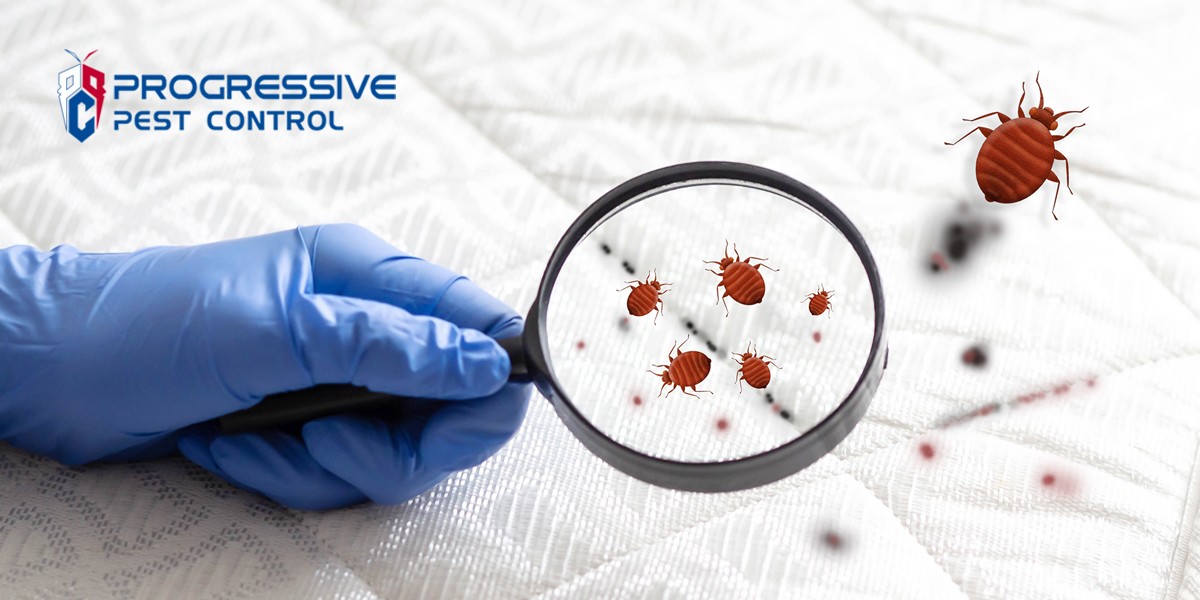
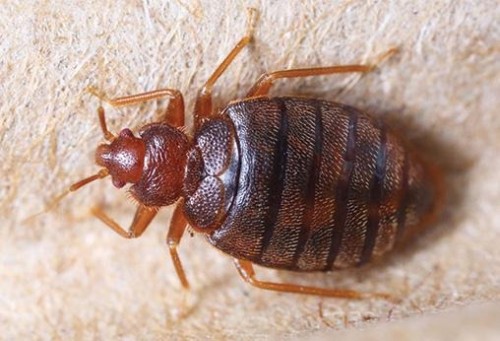
The bed bugs are oval-shaped, reddish-brown insects, small and flat, in most cases, which people rarely can notice until it is too late. This house bug is located in the cracks and crevices, the mattress seams, sheets, furniture, electrical outlet plates, behind the baseboard, and even picture frame.
The bed bugs suck human and animal blood usually when they are asleep. Due to this, they can influence other people psychologically because of the stress and anxiety that they bring about. In case you can notice that there are bed bugs in and around your house, you need to call the professional bed bug control. We are able to assist in the eradication of bed bugs in all stages of life and stop their recurrence.
Termites
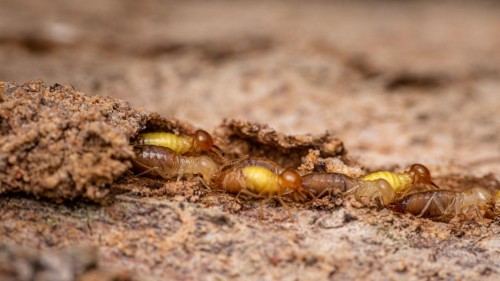
The termites are of different colors such as white, brown, and black depending on their species and caste. What is the most frightening about termites is not their appearance but their ability to destroy houses. Termites are regarded as silent destroyers due to the fact that they may build their nest in your house and eat the wood without you noticing it.
Termites come in a number of species, and as a layperson, you find it difficult to identify the species of a termite. Technicians will be able to detect the type of termites and develop a solution to the termites that will be unique to your case.
Flies
Flies are drawn to rotting bodies, garbage and food remain. Fruits flies, house flies, and drain flies are commonly found inside the house. These insects commonly breed in dark and moist places like in drains and garbage bins and nearby food storage points. Our technicians will be able to assist in eradicating flies by pointing and eradicating breeding areas and also putting preventive measures.
Moths
Foods, including grains, cereals, flour, pet food, and natural fibers, like wool, silk, and cotton, attract moths. Clothes moth and pantry moth are common examples of moths that can be found in houses. These domestic insects usually find their shelter in areas that are dark and undisturbed e.g. closets, attics, basements, pantries. The technicians will be able to locate and remove places of breeding moths and can devise efficient moth control strategies in your home.
Quick Look at Common Household Bugs
Scan the fast with this mini guide: size, color, shape of the antennae, wing length, tell-tales fecal specks, cast skins (exuviae).
Compare to probable hiding places (kitchen, bathroom, crawlspace, bedroom) and season.
After which you can select the appropriate option, i.e. sanitation, exclusion, moisture control, and focused IPM (baits, IGRs, crack-and-crevice) or hire a professional to deal with termites, roaches or bed bugs.
According to Wikipedia’s overview of common household pests like cockroaches, bed bugs, silverfish, and termites, are best identified by body shape, wings, antennae, droppings, and habitat clues.
Bug (quick look) | Size & color | Where you’ll see it | Key signs | Risk level |
|---|---|---|---|---|
Bed bug | ~5 mm, flat, reddish-brown, oval | Mattress seams, box spring, headboard cracks | Fecal specks, shed skins, clusters near sleeping areas | Biting; spreads quickly; pro help recommended. (CDC) |
German cockroach | 13–16 mm, tan with two dark stripes | Kitchens, bathrooms, appliances | Ootheca (egg cases), droppings, musty odor | Allergens/asthma; rapid reproduction. (EPA) |
Subterranean termite | Pale workers; mud tubes | Foundation, sill plates, crawlspaces | Pencil-thin mud tubes; spring swarmers | Structural damage risk; urgent. (UC IPM) |
Carpenter ant | Large, black; elbowed antennae | Window frames, damp wood | Frass (sawdust-like), rustling | Wood galleries but not wood-eating; still serious. (University of Minnesota Extension) |
Silverfish/firebrat | 6–12 mm, carrot-shaped, 3 tail “bristles” | Closets, attics, kitchens | Paper/book damage, starchy food feeding | Nuisance/damage to papers & fabrics. (University of Kentucky) |
House centipede | Long legs; fast, spidery look | Damp basements, bathrooms | Sudden sightings at night | Mostly harmless predator of other pests. (Penn State Extension) |
Fruit fly | ~3 mm, tan, red eyes | Kitchens, compost, trash | Swarms over produce/fermenting liquids | Nuisance; sanitation fixes it. (University of Maryland Extension) |
Drain (moth) fly | ~3 mm, fuzzy wings | Baths, sinks, floor drains | Resting on walls near drains | Clean breeding gel in drains; sanitation first. (UC IPM) |
Flea | 1–3 mm, jumping, dark | Pets, carpets, bedding | Itchy ankle bites, pet scratching | Bites; treat pets/home together. (Texas A&M AgriLife Extension Service) |
Dust mites (bonus) | Microscopic | Bedding, upholstery | Allergy/asthma symptoms | Control with humidity, hot washes, encasements. (PMC) |
Why am I getting so many bugs in my house?
The bugs usually access homes in search of food, water and shelter. You can reduce the attractiveness of your place of residence to bugs by removing such common attractants as:
- Open food containers
- Crumbs
- Spills
- Standing water or moisture
- Organic waste
- Fermented foods
Moreover, some kind of bugs can be attracted to certain conditions of the indoor environment, e.g., warmness, dark, or humidity. The outside lights also make the common house bugs attracted hence they may accidentally enter your home via open door or windows.
Preventing and removing bugs from your home
There are various ways that you can assist in keeping the common insects that get into your household:
- Entry points: Check the entry points of your home, e.g. your windows, doors, walls etc. and seal them.
- Clean frequently: clean your house and give it a clean of food crumbs, spills and clutter.
- Correct storage: Store food in airtight containers and ensure the garbage bins are well-close.
- Fix screens: Check screens: window and door screens: are torn or holed? Fix or change them when necessary to keep the bugs out.
- Get rid of moisture: Any form of moisture or leaks in your house should be fixed since dampness attracts pests such as ants, roaches and silverfish.
You can contract our professionals at Progressive Pest Control to do your household bugs and enjoy the professional services. Please feel free to call us at (770) 791-0055.
Conclusion
Being aware of the bugs that are common in the home of Metro Atlanta and of the NLP friendly indicators that one can use to tell the difference between them (wings, antennae, frass, mud tubes, fecal specks, cast skins) will enable you to take action early.
Other pests are largely unwelcome house guests (fruit flies; in some cases, silverfish); others are dangerous to your house or the health of your family (termites, roaches, bed bugs). It is better to be safe than sorry, hire a professional inspection: diagnosis is half of the battle, and an effective IPM plan will bring you the remaining half.
Got an activity you can't identify?
Call Control Progressive Pest Control at (770) 791-0055 to have the same-week inspection and a step-by-step plan that is clear and understandable.
FAQs
The antenna of termite swarmers is straight and equal length and those of the ants are bent and shorter. Termites construct mud tubes: carpenter ants abandon frass.