


Termite
Most termite problems do not start with a dramatic scene. They start quietly. A window sill looks slightly swollen. The baseboard feels soft. Paint begins to bubble in one small area. A door that used to close easily starts to stick.
That is why so many homeowners search for how to identify termites after damage has already begun.
This guide explains identifying termite damage in a clear, homeowner friendly way. You will learn the most reliable warning signs, the places termites hide, and the difference between termite activity and common look alike issues like moisture stains and wood rot.
Progressive Pest Control supports property owners with inspections, confirmation, and treatment planning. The goal here is not to overwhelm you. The goal is to help you see what matters, early.
Why Early Detection Matters
Termites feed on cellulose. That means they feed on wood, paper, and other materials found in buildings.
What makes them costly is not only the feeding. It is the fact that most feeding happens out of sight.
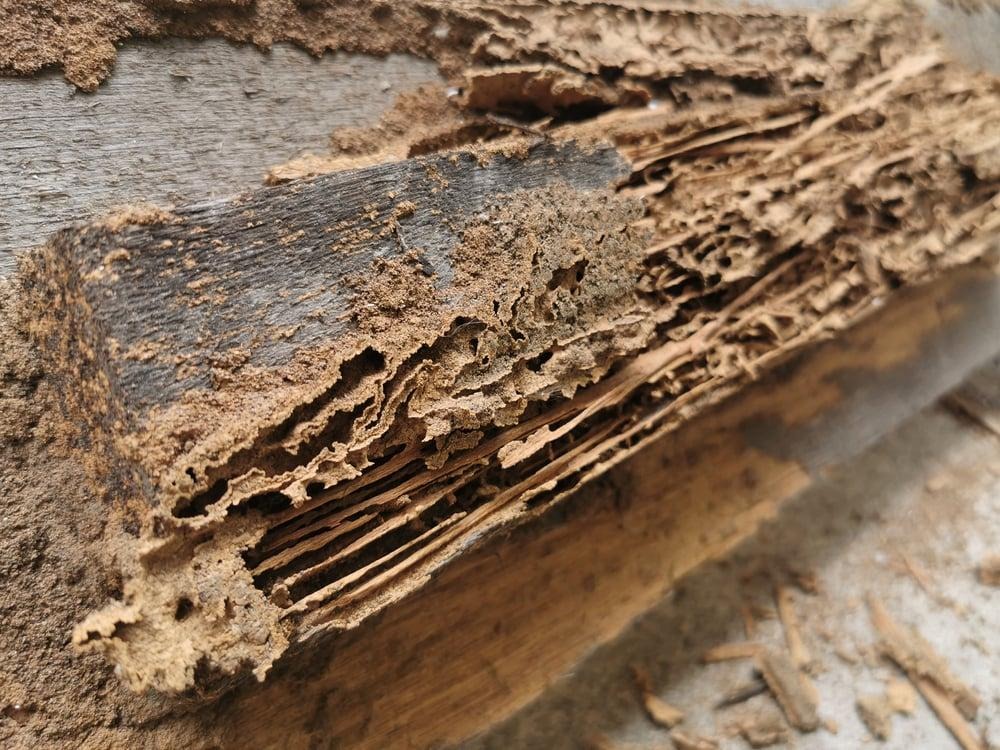
Termites often eat wood from the inside first. The outer surface can look normal while the interior becomes thin and fragile.
Early detection matters for several reasons:
- Structural repairs become more expensive when damage reaches framing, floor supports, or load bearing areas.
- Colonies can grow and expand to new sections of the structure over time.
- Termite moisture patterns and hidden voids can contribute to secondary problems, including mold risk, warping, and persistent humidity in enclosed spaces.
If you can spot early evidence such as mud tubes, discarded wings, frass pellets, or hollow sounding wood, you can act before major structural impact.
How Termites Damage Wood and Buildings
Understanding damage patterns helps you identify signs faster. Termites create galleries inside wood. A gallery is a tunnel system. These tunnels can follow the wood grain, which is why the outer surface often remains intact for a long time.
Different termite types behave differently. Subterranean termites often travel from soil to wood. They use shelter tubes made from soil and wood particles to protect their bodies from dry air and light.
Drywood termites can live inside dry lumber. They do not require soil contact. They may infest attic framing, trim, furniture, and upper levels.
Dampwood termites prefer wood with high moisture content. Their activity often points to a leak, condensation, or water intrusion problem that needs correction.
Common building areas at risk include:
• Foundation perimeter and sill plates
• Crawl space supports and floor joists
• Door frames, baseboards, and window trim
• Attic rafters and roof framing near leaks
• Drywall paper backing in hidden areas
• Wooden stair stringers and built in shelving
Key Signs That Help You Identify Termites
If you want to master how to identify termites, focus on evidence. Worker termites are rarely seen because they stay hidden.
US EPA supports information related to termite behavior, signs of infestation, and why early detection is critical for structural protection.
Below are the highest value signs used in professional inspections, simplified for homeowners.
If you suspect pest activity, recognizing the early indicators is key—here’s how to spot termite signs before they turn into serious infestations.
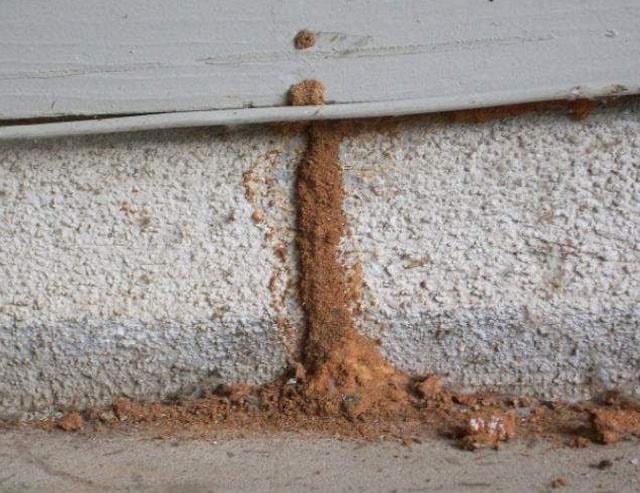
Mud tubes and shelter tubes
Mud tubes are narrow tunnels made of soil, saliva, and wood particles.
You may see them:
• Along foundation walls
• On interior basement or garage walls near the slab
• In crawl spaces on piers and joists
• Along plumbing penetrations and expansion joints
Fresh tubes often look darker and slightly moist. Older tubes can look dry and brittle.
A tube signals termite travel, even if you do not see insects at that moment.
Discarded wings near windows, doors, or lights
Swarmers are winged reproductive termites. After swarming, they shed wings.
You may find piles of wings:
• On window sills
• Near door thresholds
• Beneath light fixtures
• Along baseboards near exterior walls
Many people confuse termites with flying ants. A quick clue is the waist. Termites generally have a thicker waist. Ants have a narrow pinched waist.
Hollow sounding wood
Tap suspect wood lightly.
Termite damaged wood often sounds hollow, papery, or thin.
You may notice:
• Baseboards that dent easily
• Door frames that feel soft
• Trim that crumbles under slight pressure
This sign is important because termites often eat wood internally first.
Blistered paint, bubbling, or peeling in small localized areas
Bubbling paint can be a moisture clue, but termites can create moisture like effects behind paint as they tunnel.
Look closely when bubbling occurs:
• Along baseboards
• Around window trim
• On lower wall edges near plumbing
• On door frames and casing corners
Consider this a stronger sign when paired with other evidence like tubes or wings.
Pin sized holes and faint lines in drywall
Drywall contains paper facing, which is a cellulose source.
Possible termite clues include:
• Tiny holes that look like pin pricks
• Faint lines that resemble trails under paint
• Small specks of dirt near holes
This can be mistaken for nail pops or minor wall flaws. It becomes more meaningful when repeated in one area.
Frass pellets and kick out holes
Frass is a drywood termite sign.
Drywood termites produce pellet like droppings. They push them out through small openings called kick out holes.
You may notice:
• Small piles that resemble sand or pepper granules
• Pellets beneath trim, rafters, or furniture
• Tiny holes in wood where pellets appear
Frass piles often reappear after cleaning if activity continues.
Tight doors and windows
Termite activity can cause wood changes that lead to sticking doors and windows. This can also happen due to seasonal humidity, so do not rely on this alone.
Treat it as a supporting sign, especially if paired with bubbling paint or soft wood around frames.
Visible galleries or maze patterns in damaged wood
If a damaged piece of wood is exposed, termite galleries may appear as smooth channels.
They can look like:
• Maze like tunnels
• Grooves that follow the grain
• Thin partitions separating tunnels
This helps distinguish termites from some rot patterns, which often look crumbly or fibrous.
Musty odor in a localized area
Some infestations create a mild musty smell. Odor alone is not proof.
It becomes useful when it appears near frass, tubes, or repeated moisture like surface changes.
Where to Check First
When homeowners ask how to identify termites, the best answer is often: start where termites prefer to hide.
High priority check zones include:
• The foundation line and exterior wall base
• Crawl space and basement edges
• Areas with plumbing and moisture
• Window sills and door thresholds
• Garage slab edges and wall framing transitions
• Attic wood near roof leak history
A good approach is to check the easiest zones first, then work inward.
Room by Room Inspection Guide
Use a consistent route. Take photos of anything suspicious. Note the exact location.
Short notes make professional evaluation faster later.
Exterior perimeter and foundation line
Walk the full perimeter.
Look for:
• Mud tubes along foundation walls
• Wood touching soil
• Water pooling near downspouts
• Cracks where pipes enter
Also check porch posts and deck supports. Wood to soil contact increases risk.
Crawl space
If accessible, use a flashlight.
Check:
• Sill plates
• Floor joists
• Support piers
• Damp areas and condensation spots
Look for shelter tubes running upward onto joists.
Also look for moisture issues. Standing water, leaks, or blocked vents can raise risk.
Garage
Termites often travel unnoticed in garages because storage blocks visibility.
Inspect:
• Slab edges where framing starts
• Lower wall areas behind stored items
• Wood shelving that touches walls
Look for mud lines, tube fragments, or wings near garage windows.
Living rooms and bedrooms
Start with the perimeter.
Inspect:
• Baseboards
• Door frames
• Window casing
• Corners where trim meets flooring
Tap wood lightly. Note any hollow sound.
Check for bubbling paint along trim edges.
Kitchen
Kitchens matter because plumbing and moisture can attract termite activity.
Inspect:
• Under sinks
• Along cabinet toe kicks
• Where dishwasher lines run
• Behind appliances if accessible
Look for soft wood, staining, and repeated surface changes.
Termites and water issues overlap here, so combine signs before jumping to conclusions.
Bathrooms and laundry areas
Bathrooms and laundry zones are common moisture areas.
Inspect:
• Around toilets and tub edges
• Under vanities
• Near washer hookups
• Along baseboards near damp flooring
Moisture alone does not mean termites. Moisture plus wood changes raises concern.
Attic and upper framing areas
Drywood termites often show activity higher in the structure.
Inspect:
• Rafters and trusses
• Top plates along wall lines
• Wood sheathing edges
• Areas near any roof leak history
Look for frass pellets and tiny kick out holes in exposed wood.
Also check for any musty odor around damp insulation.
Identifying Termite Damage Versus Water Damage or Rot
Homeowners commonly confuse termites with water damage, rot, or settlement cracks.
A clearer comparison can help.
Termite damage often looks like:
• Hollowed wood with an intact surface
• Smooth internal channels that follow grain
• Mud tubes in subterranean cases
• Frass pellets in drywood cases
• Small pin holes or trails in drywall paper areas
Water damage and rot often looks like:
• Swollen wood that feels spongy
• Dark staining that matches moisture patterns
• Crumbly fibers rather than smooth channels
• Signs of persistent dampness and fungal growth
• Peeling and softening that spreads along wet zones
A helpful rule is combination evidence.
Bubbling paint alone is not enough.
Bubbling paint plus hollow trim plus wings near a window is much stronger.
Subterranean, Drywood, and Dampwood Clues
Different termite types leave different signatures.
Knowing the likely type can help you interpret signs.
Subterranean termites
Key clues include:
• Mud tubes on foundation or interior slab edges
• Activity near crawl spaces and lower walls
• Damage that appears to start low and move upward
Subterranean termites need moisture and shelter to travel.
If you see tubes, treat them as a serious signal.
Drywood termites
Key clues include:
• Frass pellets and small piles beneath wood
• Kick out holes in trim, rafters, or furniture
• Signs appearing in upper levels or attic zones
Drywood termites can infest furniture as well as structural wood.
Dampwood termites
Key clues include:
• Activity in consistently damp wood
• Infestation near leaks, rotting areas, or water intrusion points
• Larger termite presence in some cases
Dampwood activity usually indicates a moisture problem that must be corrected for long term control.
What to Do If You Suspect Termites
If you suspect termites, the goal is to preserve evidence and reduce spread risk.
Avoid breaking tubes aggressively
Breaking tubes can scatter termites and make pathways harder to confirm.
If you must test a small section, do it minimally and document what you saw.
Document your findings
Use clear photos.
Capture:
• Tubes
• Wings
• Pellets
• Damaged wood surfaces
• Close up of pin holes and blistered paint
Write down the room, wall side, and date.
Check moisture sources
Moisture is a risk multiplier.
Look for:
• Plumbing leaks
• Poor drainage near foundation
• Gutters overflowing
• HVAC condensation issues
• Wood to soil contact
Correcting moisture supports prevention and treatment success.
Avoid random spray treatments
Over the counter sprays often do not reach colonies. They can also disturb termites and complicate assessment.
If you suspect activity, a professional evaluation is more reliable.
Schedule a professional inspection
A trained inspector uses probing, sounding, and targeted checks.
Progressive Pest Control can confirm activity, identify likely termite type, and recommend treatment based on your structure and risk factors.
Prevention Habits That Reduce Risk
Termite prevention is often about reducing favorable conditions.
Short habits can make a long difference.
Reduce wood to soil contact
Keep soil and mulch below siding edges.
Avoid direct wood contact with ground around:
• Porch supports
• Steps
• Deck posts
• Shed skids
Manage moisture
Fix plumbing leaks quickly.
Keep water moving away from the foundation.
Support ventilation where appropriate in crawl spaces and enclosed zones.
Store materials correctly
Keep firewood off the ground and away from exterior walls.
Avoid long term cardboard storage on concrete floors.
Cardboard contains cellulose and can support pest activity in general.
Seal and maintain entry points
Seal cracks where pipes and wires enter.
Repair damaged screens and vent covers.
Maintain exterior caulk lines around frames.
Plan routine inspections
Annual termite inspections are a common best practice.
They help catch early signs before structural impact grows.
Maximizing Your Painting Investment and Repair Planning
If termite damage affects wood trim, baseboards, or drywall edges, repairs often lead to repainting.
Protecting your painting investment starts with fixing the root cause first.
Best practices for long lasting results
Invest in quality preparation:
Proper prep work can extend paint life significantly. That includes patching, sanding, priming, and sealing repaired areas.
Choose appropriate paint grades:
Match paint quality to surface exposure and use. High traffic rooms benefit from washable finishes and durable coatings.
Plan for regular maintenance:
Touch ups every 2 to 3 years can prevent major repainting by addressing scuffs and minor damage early.
Consider climate factors:
Humidity can affect curing and adhesion in moisture prone areas. Bathrooms, laundry zones, and kitchens benefit from moisture resistant formulations.
Conclusion
Learning how to identify termites is less about spotting insects and more about recognizing the evidence they leave behind.
Mud tubes, discarded wings, hollow sounding wood, frass pellets, blistered paint, and pin sized holes are among the most consistent warning signs.
If you notice more than one sign in the same area, a professional inspection is the safest next step. Early action supports structural safety and lowers repair risk.
Contact Progressive Pest Control today or call at (770) 791-0055 to schedule a termite inspection and get a clear plan to protect your wood and structure.
FAQs
Many homeowners first notice discarded wings near windows or doors after a swarm, or new mud tubes near the foundation.