

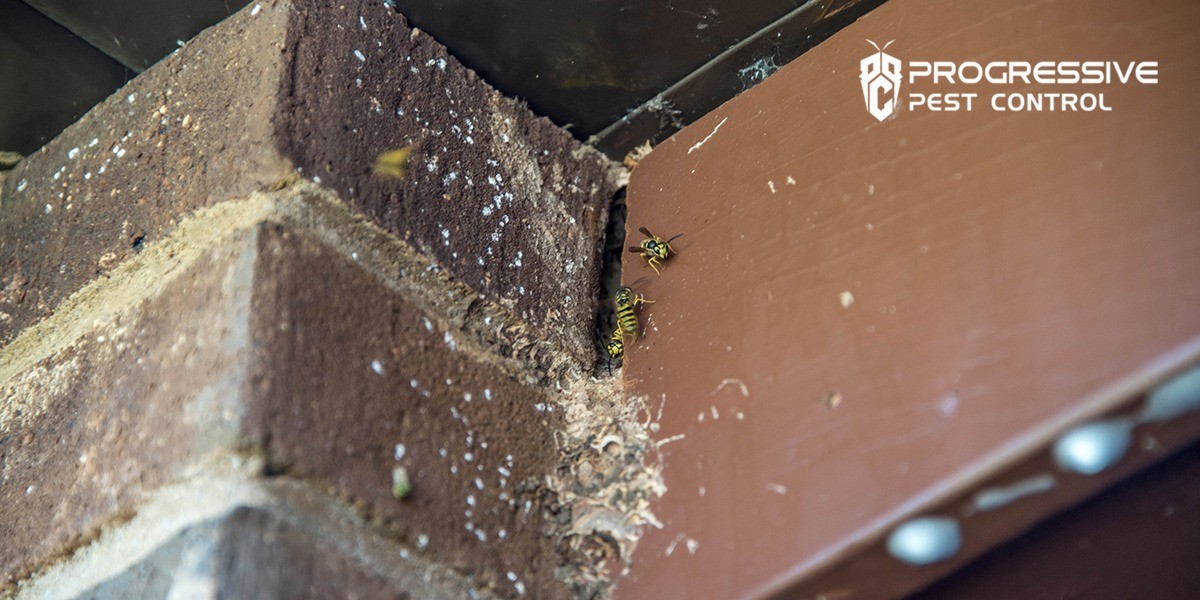
Termite
Wood damage can feel urgent because it often appears after the pest has already been active for a while. A small pile of dust under a baseboard or a faint blister in paint can be the first visible clue of a much bigger problem inside the structure.
Two pests are responsible for a large share of wood damage complaints: termites and powder post beetles. Both can weaken wood quietly. Both can hide behind finished surfaces. Both can be missed until the damage spreads.
The difference is that they leave different evidence. This article focuses on how to identify termites and how to identify powder post beetle vs termite damage using signs you can check safely, without tearing into walls.
Progressive Pest Control follows the same evidence based process during inspections. We look for the pest, the conditions that support it, and the pattern of damage. Correct identification protects your home and prevents wasted time on the wrong treatment.
The real risk: why correct identification matters
Misidentification is common because people assume all wood dust means termites. In reality, beetle frass can look like harmless sawdust, and termite damage can look like water damage or settling.
Correct identification matters because the treatment approach is different. Termite control often focuses on colony elimination and entry pathways. Beetle control often focuses on the infested wood, the life cycle stage, and whether the problem is active or historic.
Identification also helps you estimate urgency. A termite colony can expand through connected wood members. A powder post beetle problem can be limited to a set of boards or a single item, although reinfestation can occur if conditions and wood sources remain favorable.
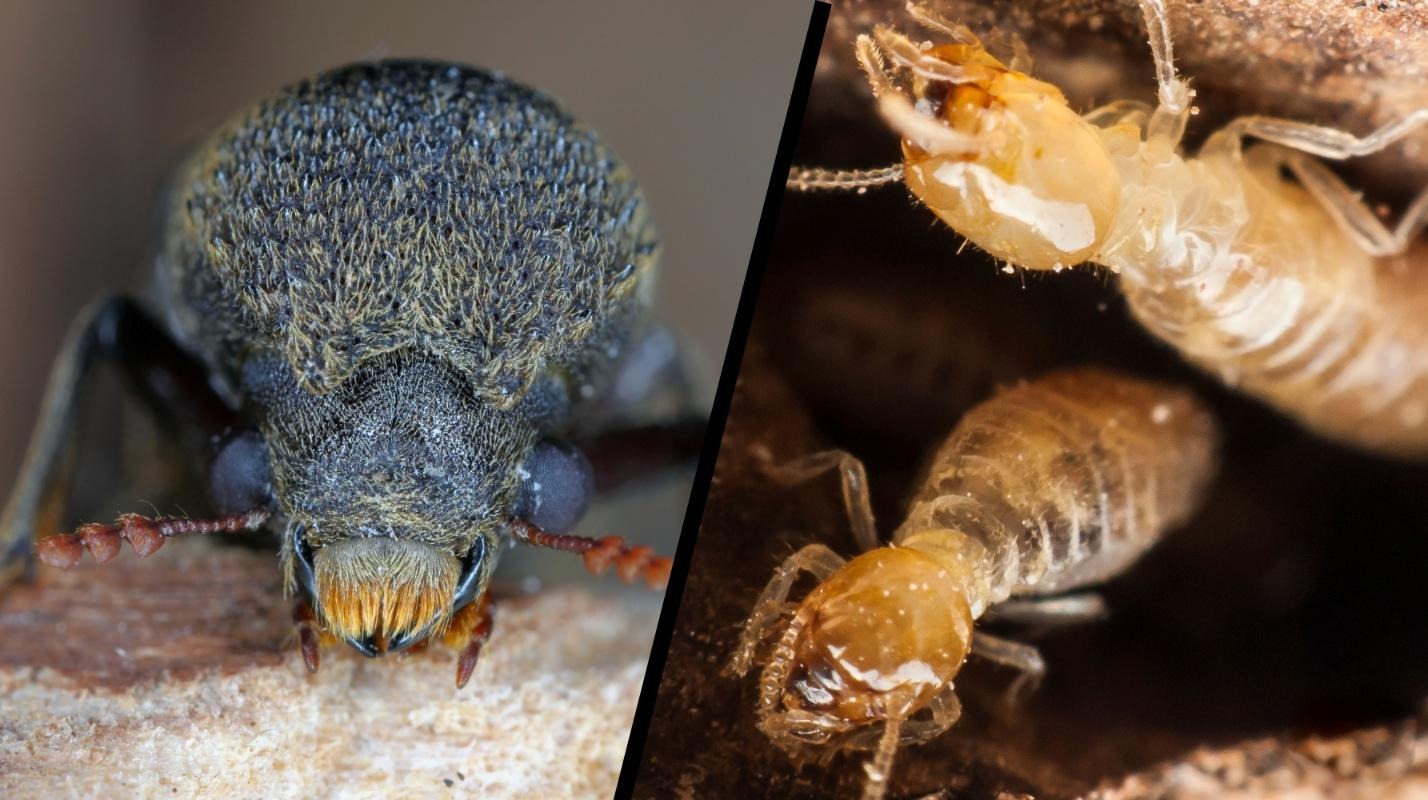
Fast comparison: the quickest way to separate beetles from termites
If you want a fast first answer, focus on four high confidence clues: tubes, wings, frass texture, and hole pattern.
Mud tubes on concrete, masonry, or foundation walls strongly point to subterranean termites. These tubes look like narrow brown lines or raised trails.
Shed wings in small piles near windows and doors strongly point to termite swarmers. Termite wings are often equal in length.
Pin sized round exit holes with fine flour like dust beneath the wood strongly point to powder post beetles.
Hard pellet-like granules that collect in small piles can point to drywood termites, especially when paired with wings, hollow wood, or other termite signals.
Know the risks by understanding early signs of termites every homeowner should watch for to protect your property from hidden damage.
How to identify termites: signs homeowners can trust
Most homeowners do not see worker termites. Instead, you identify termites through secondary signs. The most frequently cited signs include mud tubes, shed wings, swarmers, hollow sounding wood, and paint that blisters or bubbles.
Mud tubes are among the most diagnostic signs for subterranean termites. Tubes help termites travel between soil and wood while staying protected from dry air. You may see tubes on foundation walls, crawl space piers, or behind stored items near the base of a wall.
Shed wings are a strong seasonal clue. Reproductive termites swarm to start new colonies. After landing, they shed their wings. Wings are often found near window tracks, door frames, vents, or light fixtures.
Hollow sounding wood suggests internal galleries. Termites may leave a thin surface layer that hides extensive interior damage. Light tapping with a handle can reveal a papery or hollow sound compared to solid wood.
Purdue Extension Entomology notice doors that suddenly stick or floors that feel less stable. Those issues can have many causes, but they are worth noting when other termite signs are present.
Drywood termites can push pellet like droppings out of small openings. Pellets are small, hard, and uniform. Subterranean termites often manage waste within their tunnels, so you may see tubes and moisture signs instead of neat pellet piles.
How to identify powder post beetles: the classic clues in wood
Powder post beetles refer to several groups of wood boring beetles. The larvae live inside wood and feed for long periods. Adults emerge by creating exit holes. Many authoritative extension resources describe them as major destroyers of seasoned wood in structures and furniture.
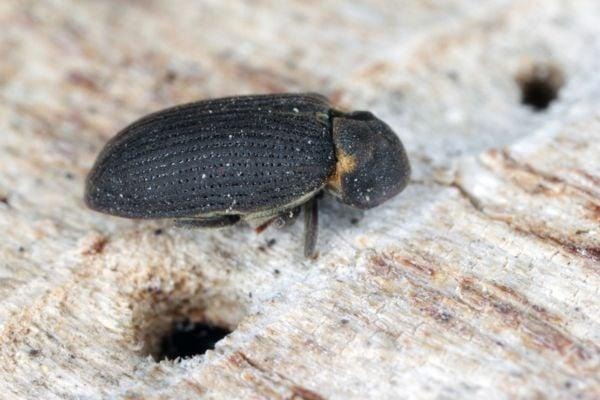
The most recognizable sign is the exit hole pattern. Holes are typically round and often consistent in size on the same board. Homeowners often describe the surface as shot holed when many holes appear together.
The next key sign is frass. Powder post beetle frass is usually very fine. Many guides compare it to flour or talc. It may collect beneath the holes, on sills, or along baseboards. In some cases, frass is loosely packed in the galleries and sifts out when wood is bumped.
Wood type offers another clue. Many true powder post beetles prefer hardwood sapwood such as oak, ash, walnut, hickory, poplar, or cherry. That is why the first complaint is often a hardwood floor, a stair tread, trim, or a piece of furniture.
A confusing feature is timing. Beetles may emerge months or years after the wood was installed if larvae were already present. That does not mean the home suddenly became infested. It can mean the wood product carried the pest into the structure.
Frass and pellets: what the droppings and dust really mean
Frass is one of the most useful diagnostic clues, but only if you look at texture and context.
Drywood termite pellets are hard and uniform. They can look like tiny grains. These pellets often collect beneath a kick out hole because drywood termites actively push them out.
Powder post beetle frass is usually finer and softer. It often looks like sifted flour. It can be powdery enough to smear slightly if disturbed, although you should avoid touching it directly.
If you see soft powder beneath a cluster of consistent round holes, beetles rise to the top of the list. If you see hard granules and you also notice wings, tubes, or hollow wood, termites rise to the top of the list.
Exit holes and surface patterns: what shape and size reveal
Exit holes are created when adult beetles leave the wood. That is why holes often indicate that a larval stage was present inside for some time.
Powder post beetle holes are often round and similar in size across the same board. Many homeowners first notice the holes along hardwood flooring edges, stair stringers, trim boards, or furniture panels.
Fresh activity often comes with fresh frass. If you clean a dust pile and it returns in the same spot, that suggests ongoing emergence or ongoing movement of frass from inside the wood.
Termites do not typically create uniform exit holes across a board in the same way. Subterranean termites are more likely to stay concealed and travel through tubes or hidden pathways. Drywood termites may create openings, but the pellet piles and other termite signs carry more diagnostic weight than the hole shape alone.
Where each pest lives: moisture, soil contact, and wood type
Moisture is often the dividing line. Subterranean termites generally rely on moisture and soil contact. That is why problems often start at sill plates, crawl spaces, basements, utility penetrations, and areas with leaks or poor drainage.
Powder post beetles are commonly associated with dry seasoned wood. Many species target hardwood sapwood, which is common in interior finishes and furniture. Some related beetles can attack softwoods too, so you still need evidence based confirmation.
Use location as a supporting signal. Damage concentrated near soil contact and damp conditions suggests termites. Damage concentrated in dry hardwood products with fine powder suggests beetles.
Damage style: how galleries differ inside the wood
Termite feeding often follows the grain and can create layered damage. A surface may look intact while the interior becomes thin and fragile. In some cases the damage resembles channels or thin sheets.
Beetle larvae create tunnels packed with frass. When a heavily infested piece is broken open, the interior may look riddled with a network of galleries filled with powder.
Because the interior is damaged first, both pests can cause sudden failure once the wood becomes weak. That is why early signs matter even when the surface damage looks minor.
Common lookalikes and mistakes
Old nail holes are a frequent false alarm. They can look like exit holes but usually have no frass and no pattern of fresh dust.
Carpenter ants can be confused with termites, especially during swarming season. Flying ants and termite swarmers can look similar from a distance. A professional can confirm based on body shape and wing structure.
Water stains, humidity damage, and paint failure can mimic termite related blistering. That is why you should not rely on a single clue. Use multiple clues together.
Historic beetle damage can remain visible long after activity ends. Old holes without fresh frass may represent a past issue rather than a current infestation.
A step by step home inspection plan
- Document the evidence. Take clear photos of tubes, wings, holes, and frass piles. Note the room, wall, and exact location.
- Check for moisture. Look for plumbing leaks, condensation, damp crawl space odors, and pooling water near the foundation.
- Evaluate frass texture visually. Powder that looks like flour suggests beetles. Hard pellets suggest drywood termites.
- Inspect the perimeter. Look along foundation lines and crawl space supports for mud tubes or dark trails.
- Inspect interior wood. Look at baseboards, window trim, hardwood floors, attic framing, and wooden beams. Note clusters of consistent holes and any fresh dust.
- Assess activity. Fresh wings, fresh frass, or active tubes signal urgency. Old holes without fresh dust may be historic, but still worth confirming.
- Schedule a professional inspection if you see more than one sign or if the damage is near load bearing structural members.
Prevention: protect wood and reduce future risk
Moisture control is one of the most effective prevention steps for termite risk. Maintain gutters, direct downspouts away from the foundation, repair leaks quickly, and keep crawl spaces dry and ventilated.
Reduce wood to soil contact where possible. Keep mulch and soil levels below siding and avoid storing wood directly against the structure.
For beetle risk reduction, be selective with wood sources. Use properly dried lumber. Avoid bringing unfinished wood items indoors without inspection. Seal exposed wood surfaces when appropriate and manage indoor humidity.
Regular inspections matter. Many infestations are caught early through routine checks rather than after major damage appears.
What a professional inspection includes
A professional inspection does more than confirm which insect is present. It determines whether activity is current, where the entry or source likely is, and which conditions are making the problem easier for the pest.
For termites, inspection commonly focuses on foundation lines, crawl space supports, utility penetrations, and any area where wood and moisture meet. Inspectors look for tubes, shelter pathways, and wood damage patterns that connect to colony travel routes.
For powder post beetles, inspection focuses on the affected wood type and the distribution of holes. Inspectors look for fresh frass, consistent hole sizes, and signs that point to active emergence rather than historic damage.
In many homes the inspection also includes a moisture review. Leaks, condensation, poor drainage, and high humidity can increase termite risk and can also worsen wood decay that makes insects harder to detect.
The goal is a clear diagnosis and a clear plan. That plan may include treatment, targeted repairs, and prevention steps that reduce the chance of recurrence.
Treatment overview: what typically works and why
Termite control is often designed to stop colony feeding and block access to the structure. Depending on species and site conditions, plans may include soil treatments, bait systems, and targeted corrections that reduce moisture and soil contact.
Drywood termite control often focuses on the specific wood members where activity is found. Because drywood termites can live entirely within the wood, success depends on identifying the active zones rather than treating only the visible surface.
Powder post beetle control depends on whether the infestation is active and whether the wood can be removed or sealed. In some cases the best solution is replacing the most damaged boards and preventing reinfestation through sealing and humidity control.
Because wood boring beetles have long larval stages, monitoring matters. A plan may include follow up checks to confirm that new frass is not reappearing during the next emergence window.
Only an on site inspection can confirm which approach fits your home. The right treatment is always tied to correct identification, the extent of activity, and the conditions that support it.
Call Progressive Pest Control at (770) 791-0055 for a quick relief or get rid of termites fast.
Conclusion
Termites and powder post beetles can both damage wood, but their evidence differs in reliable ways. Tubes and wings often point to termites. Consistent round exit holes and fine powder often point to powder post beetles.
If you are learning about termites and wood-boring insect identification,
When signs overlap or the damage involves structural members, a professional inspection is the safest way to confirm the pest and protect your property.
To identify termites, see our pillar article, “Spotting Termites Early: Signs Every Homeowner Should Know.” Read our complete guide to identify flying termites and prevent infestations.
Schedule an inspection with Progressive Pest Control and call at (770) 791-0055 to confirm the pest, identify active areas, and protect your home before damage spreads.
FAQs
Fine flour like dust beneath consistent round holes suggests beetles. Hard pellets plus wings or tubes suggests termites.