

Termite
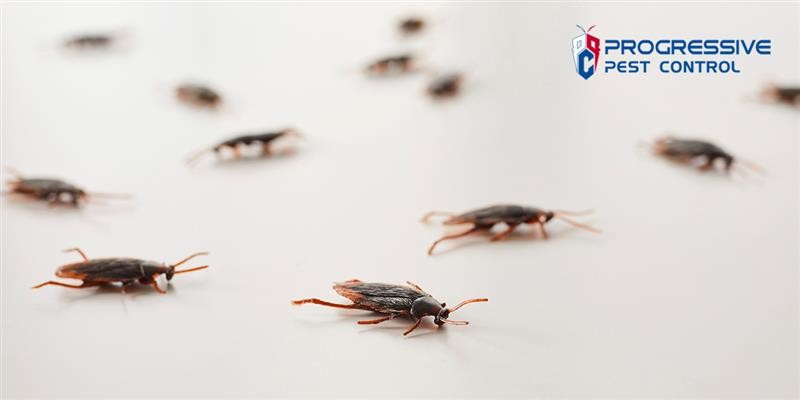
Found Brown Bugs in Your House? Here's What They Are and How to Get Rid of Them
If you've recently spotted small brown bugs on your walls, baseboards, pantry shelves, or bed frame, you're not alone. Many common household bugs are brown or brown-mottled—including cockroaches, carpet beetles (and their brown larvae), brown marmorated stink bugs, odorous house ants, drugstore/grain beetles ("pantry pests"), plus pill bugs/sowbugs that wander indoors. Correct identification determines the fix: some require sanitation and exclusion, others respond to baits, and a few need professional, species-specific treatment.
This article helps you identify the most likely culprits, understand where they live, and take the right steps to get rid of them—safely and effectively.
Common Household Brown Bugs: Identification and Control
Below are the brown pests homeowners most frequently confuse and how to tell them apart. We've included research-based identifiers and control tips, with citations.
Drugstore Beetles
Identification: Drugstore beetles are the tiny insects which have an oval, brown shape and they look like cigarette beetles. They usually exist in kitchens and pantries particularly in storing dry foods such as flour, spices and cereals.
Health Risks: The nuisance that these beetles cause is mostly related to food, old food is infested by them thereby rendering it unstable to consume. They are not carriers of diseases but a significant issue to any individual that handles food storage.
Extermination: Keep areas where food is kept clean, dispose of food that is contaminated and use pheromone traps or insecticide dust to keep them in check. Putting food in airtight packages is also very helpful.
Silverfish
Identification: Silverfish are teardrop-shaped silvery-brown insects that live in decreasing bath-rooms, dungeons and attics. They are also night creatures and tend to conceal themselves during the day in dark places.
Health Risks: Silverfish have not been known to be vectors of diseases but they may cause an allergic response in hypersensitive people. They also feed on starches and destroy books, clothing and stored items.
Extermination: Lower the humidity with the help of a dehumidifier, clean the apartments with a vacuum, and treat silverfish problems with bait traps.
Weevils
Identification: Weevils are tiny beetles that have a snout and may be located in the pantry such as grains and dried products. They come inside the houses through cracks or door and window gaps.
Health Risks: Although weevils do not bite or cause diseases, they ruin stored food, making it inedible.
Extermination: Check grains and food storage places, keep food in closed containers and use weevil specific traps.
Cockroaches
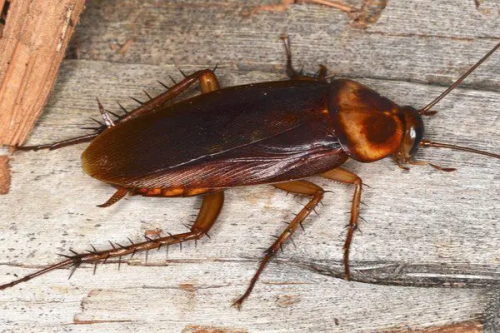
Identification: Cockroaches are black or dark brown, an insect that is fast moving with long antennas. They tend to inhabit humid spots such as kitchens and bathrooms.
Health Risks: The cockroaches are the significant carriers of such diseases like food poisoning, salmonella, and diarrhea. They induce asthma and allergies as well.
Extermination: Keep the house clean, close any entry points and apply cockroach baits or insecticide sprays. In extreme cases, get the services of a professional pest control service.
Ticks
Identification: Ticks are spider-like insects that are small in size and attach themselves to individuals and pets. They are mostly located in grasslands or forest cover where they are able to cling on hosts to get a blood meal.
Health Risks: Ticks are vectors of such dangerous diseases as Lyme disease, Rocky Mountain Spotted Fever, and Tularemia.
Extermination: Have lawns clipped, apply tick repellants and examine oneself after going outdoors.
Bed Bugs
Identification: Bed bugs are blood-sucking insects of reddish-brown color, flat. They conceal themselves in the crevices and cracks especially in the mattresses and box springs.
Health Risks: Although they do not spread diseases, their bites are very painful and itchy and result in rashes of the skin.
Extermination: Apply bed bug mattress covers, clean the house and use the services of pest control specialists in case of severe cases.
Bat Bugs
Identification: Bat bugs are related to bed bugs except that their head is bigger. The most common places of finding them are where bats rest such as attics.
Health Risks: Bat bugs cannot spread disease even though they are irritating due to bites.
Extermination: The bat infestations should be eliminated in a safe manner, the infected areas should be treated by using insecticides, and the entry points should be closed to avoid additional invasions.
Fleas
Identification: Fleas are tiny wingless insects which are capable of jumping. They tend to enter houses via pets, particularly dogs and cats.
Health Risks: Diseases such as flea-borne typhus can be transmitted through fleas and can be very irritating to the skin which can also cause a lot of itching.
Extermination: Administer pets with flea treatments, vacuum clean and apply indoor insecticides to control in the long run.
Stink Bugs
Identification: Stink bugs are shield shaped having a foul odor released when disturbed. They are prevalent in the gardens particularly in the months of fall.
Health Risks: The stink bugs have no known diseases and they do not bite. Their heavy smell is however not pleasant.
Extermination: Close possible entry points, apply pesticides where required.
Carpet Beetles
Identification: Carpet beetles are little insects that are oval shaped, black or brown, having distinct patterns. Their larvae eat fabrics and leave large amounts of destruction to clothes and upholstery.
Health Risks: Larvae of the carpet beetles may cause allergy and irritation of the skin.
Extermination: Furniture and vacuum carpets should be cleaned on a regular basis, fabrics should be washed in hot water and insecticides that are used to kill carpet beetles should be used.
Booklice (Psocids)
Identification: Booklice are small, soft bodied insects that are light brown or tan in color. They grow in the wet areas such as bathrooms, kitchen, and basements. Their small size leads to their confusion with dust specks.
Health Risks: Booklice do not pose any harm to the human being but their existence could show that there is a problem with moisture in your home and thus mould may develop.
Extermination: Dry up moisture in the house with the dehumidifiers. Clean the affected places regularly and make sure it is well ventilated to avoid infestations.
Fungus Gnats
Identification: Fungus gnats are tiny insects with a dark wing, which look like miniature fruit flies. They are usually concentrated around house plants and damp soil. The pests like these are found in conditions where there is a lot of organic matter and humidity.
Health Risks: Fungus gnats can also destroy plant roots and therefore may destroy your indoor plants although they are harmless to human beings.
Extermination: In reducing fungus gnats, minimize the amount of water in soil and keep the soil well drained. Sticky traps and the introduction of natural predators such as nematodes can be employed in order to minimize them.
Spider Beetles
Identification: Spider beetles are small, round insects that are reddish-brown or black. They resemble spiders because of their long legs and antennae. They are often found hiding in stored food, where they can contaminate pantry items.
Health Risks: While spider beetles do not pose significant health risks, their presence in stored food can contaminate it with insect parts or feces.
Extermination: Prevent spider beetles by keeping dry foods in sealed containers and checking for signs of infestation such as webbing or damaged food packaging. If infestation is severe, use insecticides or hire a professional.
Fruit Flies
Identification: Fruit flies are small, brownish flies often found around decaying or overripe fruit. They are attracted to sugary and fermenting substances, making them common in kitchens, trash cans, and recycling bins.
Health Risks: Though they don't bite or spread diseases directly, fruit flies can contaminate food with bacteria, leading to foodborne illnesses.
Extermination: To control fruit flies, eliminate their breeding sources by regularly disposing of overripe fruit, cleaning up spills and crumbs, and keeping trash bins clean. Apple cider vinegar traps can be effective in catching fruit flies.
Brown Marmorated Stink Bugs (Nymphs)
Identification: The brown marmorated stink bug is a shield-shaped insect with a distinctive brown and gray coloration. Nymphs are smaller and lack wings. They tend to invade homes in the fall, seeking warmth.
Health Risks: Stink bugs do not bite or spread diseases but can produce a strong odor when disturbed, which can be unpleasant. They can also damage plants by feeding on them.
Extermination: Seal any cracks or gaps in your home to prevent stink bugs from entering. Use pesticides if necessary and contact a professional pest control service for effective treatments.
Clover Mites
Identification: Clover mites are tiny, reddish-brown arachnids that typically measure about 0.75 mm. They are most active during spring and fall and often appear on window sills and walls.
Health Risks: While clover mites are not harmful to humans, their large numbers can be a nuisance. They may also damage plants by feeding on their sap.
Extermination: Seal off potential entry points around windows and doors. Use insecticides to treat affected areas, and vacuum to remove mites from inside the home.
Ants (Various Species)
Identification: Ants are easily recognizable by their segmented bodies and elbowed antennae. They can range in color from black, brown, red, or yellow. Common ant species found in homes include carpenter ants, odorous house ants, and fire ants.
Health Risks: While most ants are not directly harmful, some species, like fire ants, can sting and cause allergic reactions. Ants can also contaminate food and spread bacteria.
Extermination: Start by identifying the ant species. Use bait traps for species like sugar ants or poisoned baits to eliminate the colony. Seal entry points and regularly clean to remove food sources.
Flour Beetles (Confused and Red Flour Beetle)
Identification: Flour beetles are reddish-brown insects commonly found in stored grains and flours. They have elongated, flattened bodies and long antennae. The Confused Flour Beetle and Red Flour Beetle are two common species found in homes.
Health Risks: These beetles can infest food products and their dust can cause respiratory issues for people with allergies or asthma.
Extermination: Inspect and discard infested items, store grains in airtight containers, and clean storage areas regularly. For severe infestations, contact a pest control expert.
Grain Beetles (Sawtoothed Grain Beetle)
Identification: Grain beetles are small, flat beetles with distinctive saw-toothed edges on their bodies. They are brown or reddish-brown and often infest stored grains and food products.
Health Risks: Grain beetles can contaminate food products and attract other pests, such as rodents or birds. They can also cause damage to grains and stored foods.
Extermination: Store grains in sealed containers and clean storage areas regularly to prevent infestations. Dispose of infested items and use insecticides labeled for stored products.
Pill Bugs (Roly-Polies)
Identification: Pill bugs, also known as roly-polies, are small, grayish-brown bugs that can roll into a ball when disturbed. They are commonly found in damp areas like basements, gardens, and under leaves.
Health Risks: Pill bugs do not pose direct health risks to humans but can cause damage to plants and attract other pests to your home.
Extermination: Remove damp areas in and around your home, as this is where pill bugs thrive. Use insecticides labeled for pill bugs, or consult a pest control service for larger infestations.
| Pest (Often Brown) | How to Identify | Main Risks | Typical Signs | When to Call a Pro |
|---|---|---|---|---|
| Cockroaches (German/American) | Flat, oval body; long antennae; brown to dark brown | Allergen triggers; bacteria spread | Coffee-ground droppings; oily smell; night activity in kitchens | Persistent activity, presence in multiple rooms, or in homes with children/asthma |
| Bed Bugs | Apple-seed size; brown, oval; hide in mattress seams, headboards | Bites; difficult to eradicate; spreads via travel | Black fecal spots, cast skins, live bugs near beds | Any confirmed activity; needs inspection, heat/steam, follow-ups |
| Carpet Beetle Larvae | Small, brown, bristly "carrot-shaped" larvae | Damage to wool, hair, fabrics | Grazed patches on textiles; shed skins along baseboards | Recurrent fabric damage or widespread larvae |
| Brown Marmorated Stink Bugs | Shield-shaped, mottled brown; banded antennae | Nuisance, odor; seasonal indoor invasions | Bugs around windows/attic in fall/spring | Heavy seasonal ingress; need exclusion plan + perimeter treatment |
| Odorous House Ants | ~1/8", brown/black; "rotten coconut" smell when crushed | Food contamination; persistent trails | Trails to sweets/oils; worse after rain | Trails keep returning despite sanitation; colony budding suspected |
| Pantry Beetles/Weevils | Tiny brown beetles in flours, rice, spices, pet food | Food waste/contamination | Adults in pantry; larvae in packages | Infestation persists across multiple food types/rooms |
| Pillbugs/Sowbugs | Oval crustaceans; pillbug curls into ball | Moisture intrusion indicator | Seen near doors/basements after rain | Ongoing moisture problems; frequent indoor sightings |
| Silverfish/Firebrats | Fast, tapered body with 3 tail filaments; brown/gray | Damage to books, paper, starches | Paper/fabric damage; sightings in warm, humid areas | Damage continues; sensitive collections (archives/books) need protection |
Pinpoint the pest: A simple decision path
- Where did you see it? (Pantry vs. bedroom vs. bathroom)
- Body shape? (Shield-shaped, stink bug; flat/oval, roach; apple-seed oval, bed bug; tiny oval beetle or bristly larva, carpet beetle)
- Behavior/smell? (Strong odor when crushed, odorous house ant; curls into a ball, pill bug)
- Evidence left behind? (Coffee-grounds droppings, roach; cast skins/black dots on mattress, bed bug; patchy holes in wool/textiles, carpet beetle larva)
When in doubt, snap a close-up photo with a coin for scale and save a sample (tape it to an index card). Share it during inspection.
Why control is different for each species (and why misidentification costs you)
- Roaches respond best to baits + IGRs + sanitation, not just over-the-counter sprays. Public-health risk is higher; faster escalation to pros is wise.
- Bed bugs demand inspection, heat/steam, precise applications, and follow-ups; one-shot treatments commonly fail.
- Carpet beetles are primarily a sanitation + exclusion problem (vacuuming, textile protection, source removal).
- Stink bugs require exclusion more than insecticide indoors; crushing releases odor, vacuum instead.
- Odorous house ants are bait-responsive; random spraying can make colonies bud and worsen the infestation.
Science-based prevention that actually works
Exclusion (seal the house):
Caulk gaps at trim, siding penetrations, plumbing and cable entries; replace torn screens; add door sweeps. Especially effective against stink bugs and roaches entering from outdoors.
Sanitation:
Store dry goods in airtight containers (pantry beetles), empty trash often, wipe grease/sugar residues, fix drips/leaks (roaches/ants), and vacuum edges/baseboards for lint and hair (carpet beetles).
Moisture management:
Run dehumidifiers in basements/baths, fix humidity to deter silverfish/firebrats and pillbugs/sowbugs.
Targeted products (when appropriate):
Choose baits for ants/roaches, use IGRs where label-appropriate, and apply crack-and-crevice residuals—never blanket-spray sleeping areas (especially with bed bugs). Always follow the label.
At Progressive Pest Control, to avail our expert services contact our professional or call now at (770) 791-0055.
Conclusion
Not all brown household bugs are the same, and neither are their fixes. A correct ID leads to the right treatment path: sanitation and storage changes for carpet beetles and pantry pests; baits and sealing for roaches and ants; exclusion and vacuuming for stink bugs; moisture control for pillbugs/sowbugs; and specialized programs for bed bugs. If you'd like a fast, accurate identification and a safe, effective plan, we're here to help.
For more information, see our pillar article, Common Household Bugs Every Homeowner Should Know and How to Identify Them, to identify common household bugs and how to identify them.
Take the next step now:
Call Progressive Pest Control at (770) 791-0055 or visit Contact Us to schedule an inspection today.
FAQs
They don’t chew wood or wiring, but they invade for warmth and can be a major nuisance (and smelly). The fix is exclusion: seal gaps, maintain screens, and vacuum intruders.