

Pest Control
Table of Contents
- Summary
- Introduction
- What Is Prevention Pest Control?
- What Is Reactive Pest Treatment?
- Prevention Pest Control vs Reactive Treatment
- Limitations of Preventive and Reactive Services
- Which Approach Is More Effective?
- Pest Control Cost Comparison
- How Often Do You Need Pest Control?
- When Reactive Treatment Is Necessary
- How to Choose the Right Pest Control Plan
- Conclusion
- FAQs
Summary
Prevention pest control focuses on stopping infestations before they begin, while reactive treatment addresses pests after they appear. This guide compares costs, timing, effectiveness, risks, and long-term value. It also explains how often pest control is needed and why consistent protection often delivers better results for homes and businesses overall.
Introduction
Pest problems rarely appear without warning. In many cases, insects and rodents enter through small cracks, moisture-damaged areas, open doors, plumbing gaps, roof openings, or poorly sealed food-storage spaces. By the time property owners notice visible pests, the infestation may already be established behind walls, beneath flooring, inside cabinets, or around outdoor structures.
Property owners generally have two options: schedule prevention pest control before an infestation develops or wait until pests appear and request reactive treatment. Preventive service focuses on reducing the conditions that attract pests and blocking the places through which they enter. Reactive treatment focuses on eliminating pests that are already active.
Both approaches have value, but they serve different purposes. The better option depends on the pest involved, the level of activity, the property’s condition, the surrounding environment, and the owner’s tolerance for risk. Understanding the differences can help homeowners and businesses make a more cost-effective decision.
What Is Prevention Pest Control?
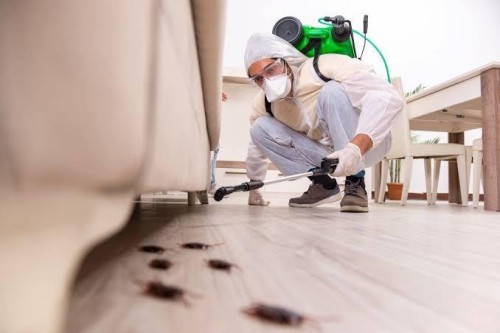
Prevention pest control is a proactive approach designed to stop pests from entering, nesting, feeding, and reproducing on a property.
Instead of waiting for visible activity, a preventive program identifies vulnerabilities and addresses them before they develop into serious infestations. The service may include inspection, monitoring, exterior treatments, entry-point evaluation, bait placement, nest removal, moisture checks, sanitation recommendations, and scheduled follow-up visits.
A preventive program commonly targets:
- Ants
- Cockroaches
- Spiders
- Silverfish
- Earwigs
- Flies
- Mosquitoes
- Wasps
- Rodents
- Fleas
- Ticks
- Stored-product pests
- Occasional invading insects
The exact service depends on the property and local pest pressure. Homes near wooded areas, standing water, restaurants, apartment buildings, warehouses, and properties with previous infestations may require more frequent protection.
Main Goals of Preventive Pest Control
The primary goals are to:
- Block common pest entry points
- Reduce food, water, and shelter sources
- Detect activity before it spreads
- Create an exterior barrier around the property
- Interrupt breeding cycles
- Reduce the need for emergency treatments
- Protect buildings, belongings, food, and occupants
- Maintain long-term control throughout changing seasons
Preventive service does not mean pests will never appear. However, it can significantly reduce the likelihood, frequency, and severity of infestations.
What Is Reactive Pest Treatment?
Reactive pest treatment begins after pests have already been noticed or confirmed. The purpose is to identify the pest, locate the infestation, reduce the active population, and prevent further spread.
A reactive service may be requested after someone sees:
- Live insects
- Rodent droppings
- Damaged food packaging
- Gnaw marks
- Nests
- Shed insect skins
- Pest eggs
- Unusual odors
- Scratching sounds
- Property damage
- Bites or stings
- Repeated pest sightings
Reactive treatment is often more targeted than routine preventive service. It may involve specialized products, traps, baits, dusts, exclusion work, heat treatments, follow-up visits, or treatment of hidden nesting areas.
For example, an active cockroach infestation may require detailed treatment of kitchens, bathrooms, appliances, cabinets, plumbing areas, and wall voids. A preventive visit, by comparison, may focus on monitoring and treating likely entry and harborage areas before a large population develops.
Prevention Pest Control vs Reactive Treatment
The main difference is timing.
Prevention pest control happens before a serious infestation develops. Reactive treatment happens after pest activity becomes noticeable.
Preventive programs aim to maintain a controlled environment. Reactive treatments aim to solve an existing problem.
A preventive plan is similar to maintaining a roof before it leaks. Reactive treatment is similar to repairing the roof after water has already entered the building. Repairs may solve the immediate issue, but damage may already have occurred.
Key Differences at a Glance
Factor | Prevention Pest Control | Reactive Treatment |
Timing | Before a major infestation | After pests appear |
Main purpose | Reduce infestation risk | Eliminate active pests |
Service schedule | Regularly scheduled | Requested when needed |
Treatment area | Common entry and risk areas | Active nesting and infestation areas |
Cost pattern | Predictable ongoing expense | Irregular and potentially higher expense |
Property damage risk | Usually lower | May already be present |
Disruption | Generally limited | May require extensive preparation |
Follow-up visits | Routine monitoring | Often necessary until activity stops |
Best for | Long-term protection | Existing infestations |
Overall approach | Proactive | Reactive |
Limitations of Preventive and Reactive Services
Neither approach is perfect. Understanding the limitations helps property owners set realistic expectations.
Limitations of Prevention Pest Control
Preventive service:
- Requires ongoing financial commitment
- May not completely stop every pest from entering
- Must be supported by sanitation and property maintenance
- May require more frequent visits in high-risk locations
- Cannot instantly eliminate an infestation that is already severe
- May not include specialized treatments unless separately requested
Limitations of Reactive Treatment
Reactive treatment:
- Begins after pests have already entered
- May occur after property damage or contamination
- Can require several visits
- May involve more extensive preparation
- Often costs more for severe infestations
- May temporarily control symptoms without correcting entry points
- Can lead to recurring problems when preventive steps are ignored
Which Approach Is More Effective?
For long-term protection, prevention pest control is generally more effective because it addresses pest risks continuously rather than waiting for an infestation.
Reactive treatment may eliminate the pests that are currently visible, but it does not automatically prevent future activity. Unless entry points, food sources, moisture problems, clutter, and exterior conditions are addressed, pests may return.
The strongest pest-management strategy normally includes four elements:
- Inspection
- Active treatment when necessary
- Exclusion and environmental correction
- Ongoing monitoring and prevention
Reactive service may be necessary at the beginning, especially when an infestation already exists. Once the active population has been controlled, the property can move to a preventive maintenance schedule.
Pest Control Cost Comparison
Pest-control pricing varies according to the property size, infestation level, pest species, location, treatment method, accessibility, and number of required visits.
Service Type | Typical Estimated Cost | Common Inclusions |
Initial preventive inspection and treatment | $150–$400 | Inspection, risk assessment, interior or exterior treatment |
Quarterly preventive service | $100–$300 per visit | Exterior barrier, monitoring, targeted interior treatment |
Monthly pest prevention | $50–$150 per month | Frequent monitoring and treatment for higher-risk properties |
One-time general pest treatment | $150–$500 | Treatment for ants, spiders, roaches, or similar pests |
Moderate active infestation | $300–$1,000 | Detailed treatment and one or more follow-ups |
Severe infestation | $1,000–$3,000+ | Extensive treatment, multiple visits, specialized methods |
Rodent treatment and trapping | $250–$1,200+ | Inspection, traps, monitoring, limited exclusion |
Pest entry-point sealing | $200–$1,500+ | Sealing cracks, gaps, vents, rooflines, and utility openings |
Commercial preventive plan | $100–$500+ per month | Monitoring, documentation, treatment, scheduled inspections |
These figures are general estimates. Properties with major structural problems, widespread infestations, difficult access, or specialized pests may cost more.
Preventive vs Reactive Annual Cost Example
Consider a home that schedules quarterly preventive service.
Expense | Preventive Plan | Reactive Approach |
Initial service | $200 | $0 |
Four scheduled visits | $600 | $0 |
Emergency cockroach treatment | $0 | $450 |
Rodent trapping | $0 | $600 |
Entry-point repair | $200 | $500 |
Follow-up services | $0 | $350 |
Estimated annual total | $1,000 | $1,900 |
The actual outcome will vary, but this example shows how multiple reactive problems can cost more than regular prevention.
How Often Do You Need Pest Control?
Many property owners ask, how often do you need pest control? For most homes, quarterly service is a practical starting point. This means the property is inspected and treated approximately once every three months.
However, the correct schedule depends on the type of property and the level of pest pressure.
Factors That Affect Pest Control Frequency
Type of Pest
Different pests reproduce and spread at different rates.
Cockroaches may require close follow-up because they reproduce quickly and hide in small spaces. Rodent traps must be checked regularly. Mosquito treatments may need reapplication during active seasons. Occasional spiders may require less frequent service.
Previous Infestations
A property with a history of termites, cockroaches, rodents, ants, or bed bugs may be more likely to experience another problem.
Regular monitoring is especially important after a major infestation has been treated.
Property Location
Properties near restaurants, farms, construction sites, wooded areas, vacant buildings, drains, water sources, or waste-storage areas may experience greater pest pressure.
Urban properties may face cockroaches and rodents, while suburban or rural homes may experience more ants, ticks, spiders, wasps, and wildlife activity.
Weather and Season
Warmth, rain, drought, storms, and temperature changes can drive pests indoors.
Heavy rain may flood ant colonies and increase indoor activity. Hot, dry conditions may cause insects to search for water. Cooler conditions may encourage rodents to enter attics, garages, and wall spaces.
Building Age and Condition
Older properties often contain more cracks, gaps, damaged screens, plumbing openings, worn weatherstripping, and foundation vulnerabilities.
Newer buildings can also experience pest problems, particularly when construction gaps remain unsealed.
Food and Moisture Availability
Pests are more likely to remain in places where they can find food and water.
Leaking pipes, pet bowls, food crumbs, unsealed bins, overflowing garbage, clogged drains, condensation, and standing water can support infestations.
Number of Occupants
Large households, multi-unit buildings, restaurants, hotels, schools, and busy workplaces generally have more food movement, deliveries, waste, open doors, and human activity.
These factors can increase the likelihood of pests being introduced.
When Reactive Treatment Is Necessary
Reactive treatment is usually necessary when:
- Live pests are repeatedly visible
- Droppings or nests are discovered
- Bites or stings are occurring
- Stored food is damaged
- Rodents are heard inside walls or ceilings
- Pest odors are noticeable
- Structural damage is present
- A tenant or customer reports activity
- Routine preventive methods are no longer controlling the problem
- The infestation requires specialized treatment
Immediate treatment may be especially important for bed bugs, termites, rodents, wasps, and fast-growing cockroach infestations.
How to Choose the Right Pest Control Plan
Evaluate the Current Pest Activity
Determine whether the property has no visible activity, occasional sightings, or an established infestation.
Preventive service may be suitable when no active infestation exists. Reactive treatment should be prioritized when pests are already breeding or causing damage.
Consider the Property’s Risk Level
A low-risk home may need quarterly or seasonal service. A restaurant, apartment complex, warehouse, or property with recurring pest problems may need monthly monitoring.
Compare Long-Term Costs
Do not compare only the price of one treatment with the price of an annual plan. Consider the possible cost of repeated infestations, repairs, contaminated food, cleaning, business disruption, and emergency calls.
Ask What the Service Includes
A pest-control plan should clearly explain:
- Inspection areas
- Pests covered
- Interior and exterior treatments
- Number of visits
- Follow-up procedures
- Exclusion work
- Monitoring
- Re-treatment terms
- Additional costs
- Property preparation requirements
Address the Cause, Not Only the Visible Pests
Killing visible insects may provide temporary relief, but lasting control requires attention to entry points, water, food, clutter, nesting areas, landscaping, and structural conditions.
Conclusion
Prevention pest control is usually the smarter long-term choice because it reduces infestation risks, protects property, and keeps treatment costs predictable. Reactive service remains important when pests are already active, but waiting can allow damage and health concerns to grow. Progressive Pest Control can create a suitable schedule based on your property, pest pressure, season, and specific protection needs today.
FAQs
Monthly service is not necessary for every home. It is more suitable for restaurants, apartments, food-storage locations, commercial facilities, or properties with persistent pest pressure. Many average homes can be maintained with quarterly visits.